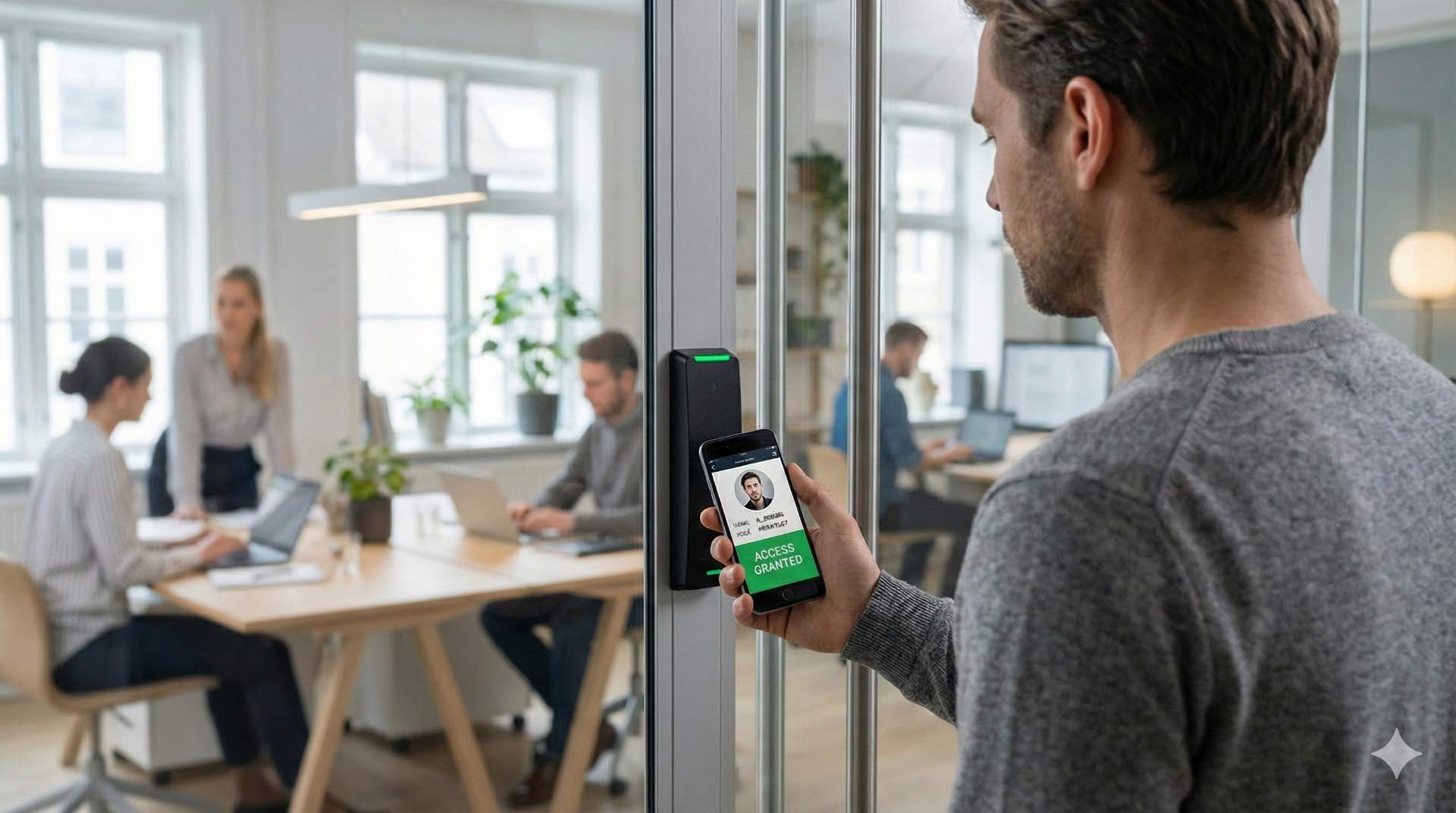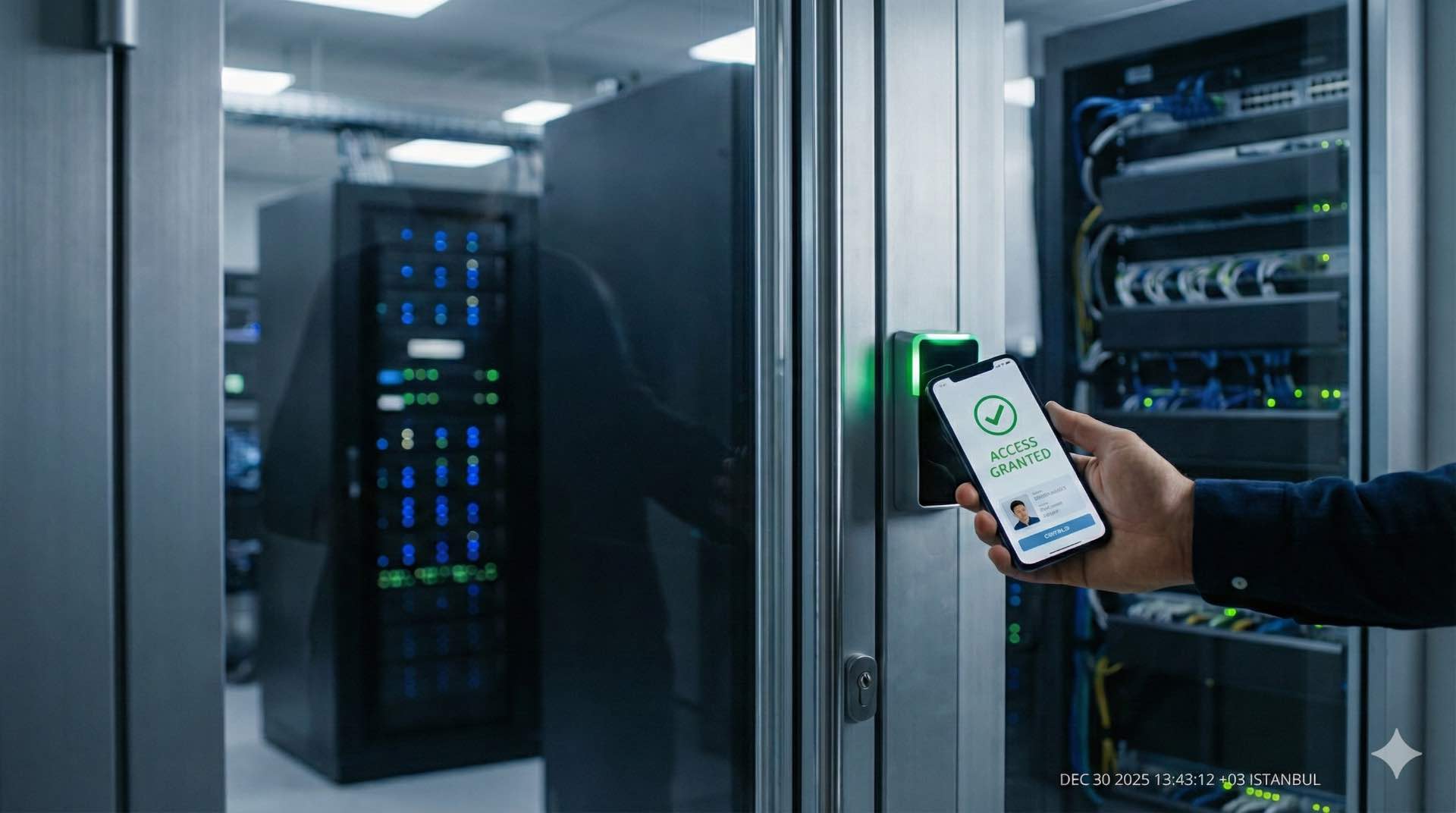

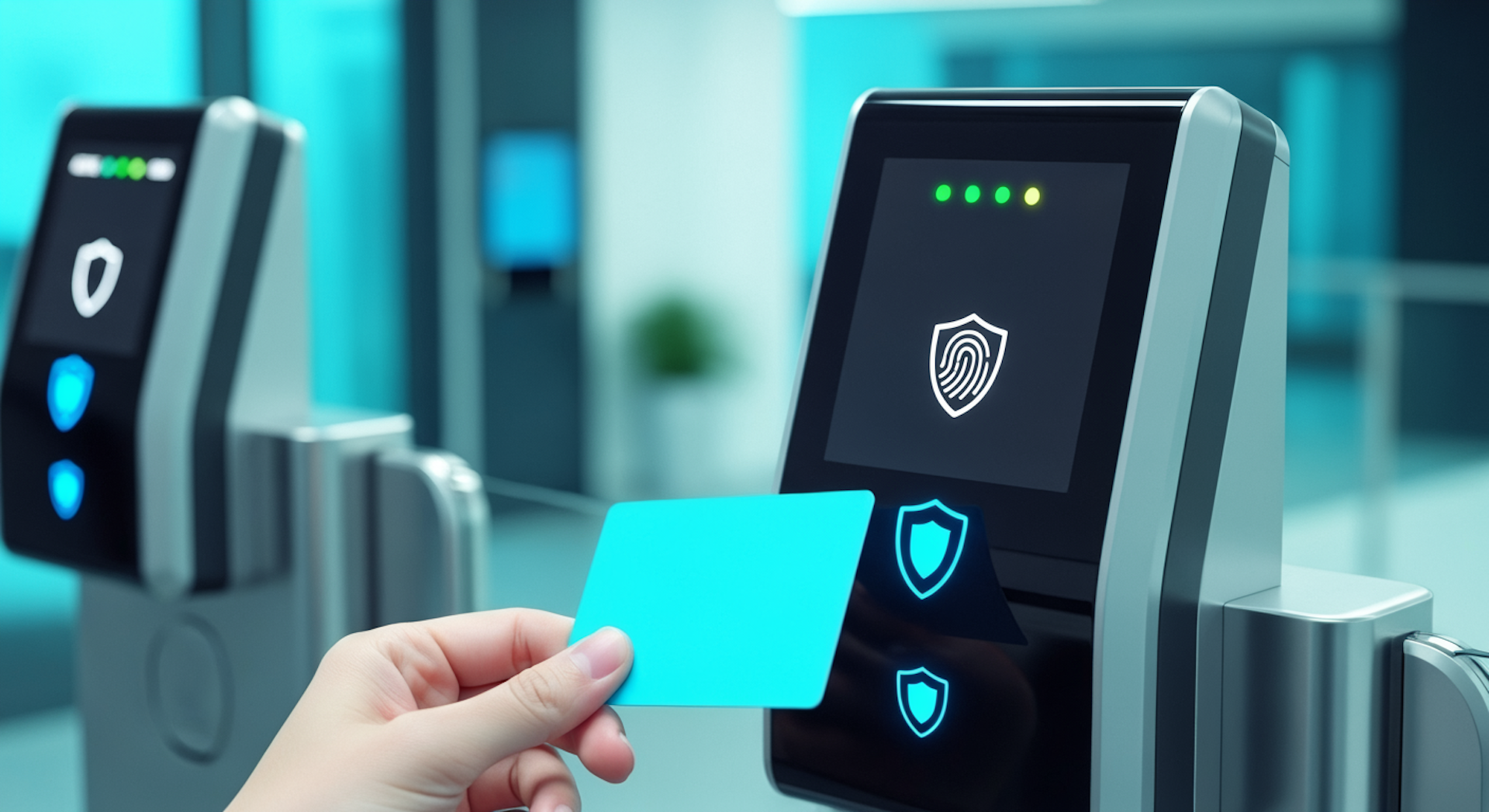
Access control systems achieve cybersecurity standards compliance through encrypted communication, physical security integration, and compliance requirements.
Physical security and digital protection have merged into one unified challenge. Access control systems now face the same cyber threats as any networked device, making cybersecurity standards essential for protecting buildings and data. Organizations can’t afford to treat physical security as separate from IT security anymore. Encrypted communication, robust compliance requirements, and integrated physical security measures form the foundation of modern protection. Here’s what you need to know about keeping your systems secure and compliant.
The Growing Importance of Cybersecurity in Access Control
Traditional locks and keys don’t face hacking attempts. Modern access control systems do. Connected devices create new vulnerabilities that attackers actively exploit. Studies show 78% of companies have experienced identity-related breaches affecting their operations. The shift to networked systems brought convenience but also opened doors to cyber-physical attacks. When someone breaches your access control systems, they’re not just compromising digital data—they’re potentially gaining physical entry to your facility. This dual threat makes cybersecurity standards non-negotiable for any organization using connected access technology.
Understanding Cybersecurity Standards for Access Control Systems
Key Regulatory Frameworks and Compliance Requirements
Organizations must navigate multiple compliance requirements depending on their industry and location. GDPR governs data privacy across Europe, requiring explicit consent before collecting user information through access control systems. HIPAA protects healthcare data, including access logs from medical facilities. SOX mandates strict audit controls for financial organizations. ISO/IEC 27017 provides cloud security guidelines that many systems now follow. Each framework demands specific technical controls, documentation practices, and response procedures. You’ll need to map your access control systems features against these standards to prove compliance.
Industry-Specific Security Standards
Different sectors face unique threats requiring tailored approaches. Healthcare facilities protect patient privacy while managing emergency access needs. Financial institutions guard sensitive transactions and meet banking regulations. Government buildings follow federal security mandates like FISMA. Data centers implement strict controls to protect client information. Manufacturing plants secure intellectual property and production systems. Understanding your industry’s specific cybersecurity standards helps you implement appropriate protections rather than generic solutions.
Core Cybersecurity Features in Modern Access Control
Encrypted Communication Protocols
Encrypted communication protects data as it travels between controllers, readers, and management systems. Modern access control systems use TLS 1.2 or higher to secure network traffic. End-to-end encryption ensures credentials can’t be intercepted during transmission. Strong encryption algorithms like AES-256 make stolen data useless to attackers. Systems should encrypt data both in transit and at rest on local controllers. Without proper encryption, credentials and access patterns become vulnerable to network sniffing attacks.
Hardware-Based Security Measures
Controllers need protection built into their physical components. ARM TrustZone architecture creates isolated secure environments for sensitive operations. Secure elements store encryption keys in tamper-resistant chips. Hardware security modules (HSMs) handle cryptographic operations without exposing keys to software. These hardware protections survive software compromises and provide defense in depth. Organizations should verify that access control systems include hardware-based security rather than relying solely on software protections.
Secure Boot and Authentication Processes
Systems must verify their integrity before allowing operation. Secure boot ensures only authorized firmware runs on controllers. Digital signatures validate software authenticity during updates. Multi-factor authentication requires multiple verification methods before granting access. Biometric systems add another layer by confirming physical identity. Certificate-based authentication prevents credential cloning. These processes work together to ensure only legitimate users and systems can interact with access control systems.
Integration of Physical and Digital Security
Cyber-Physical Attack Prevention
Attackers increasingly target the boundary between digital and physical security. Someone might hack an access controller to unlock doors without authorization. Another approach involves manipulating video systems to hide unauthorized entry. Cross-referencing access logs with cybersecurity standards events reveals suspicious patterns. Network segmentation isolates access control systems from general IT networks. Intrusion detection systems monitor for unusual access patterns. Organizations need unified security operations centers that monitor both physical and digital threats simultaneously.
Access Control Data Protection
Access logs contain sensitive information about employee movements and facility vulnerabilities. This data requires the same protection as other confidential business information. Compliance requirements often mandate specific retention periods and access restrictions. Encryption protects stored logs from unauthorized viewing. Role-based access ensures only authorized personnel can review security data. Regular backups prevent data loss during system failures or attacks. Organizations must treat access control systems data with the same care as financial or personal information.
Network Security Architecture
Proper network design limits attack surfaces. Access control systems should operate on dedicated VLANs separate from general networks. Firewalls control traffic between security networks and other systems. Network access control (NAC) verifies devices before allowing connections. Monitoring tools track all network activity for anomaly detection. Edge computing reduces dependence on central servers, improving reliability during network issues. Strong network architecture prevents attackers from using access systems as entry points to broader infrastructure.
Implementing Compliance-Ready Access Control Solutions
Risk Assessment and Vulnerability Management
Understanding your security posture starts with thorough assessment. Identify all access points and their associated risks. Scan access control systems regularly for known vulnerabilities. Penetration testing reveals weaknesses before attackers find them. Document findings and create remediation plans with clear timelines. Risk assessments should cover both technical vulnerabilities and procedural gaps. Many cybersecurity standards require annual assessments, but quarterly reviews better address rapidly evolving threats.
Security Monitoring and Incident Response
Real-time monitoring catches threats as they emerge. Security information and event management (SIEM) systems aggregate logs from access control systems and other sources. Automated alerts notify teams of suspicious activity. Incident response plans outline specific steps for different scenarios. Teams need clear escalation procedures and communication protocols. Regular drills ensure everyone knows their role during security events. Post-incident analysis improves future responses and prevents similar breaches.
Audit Trails and Documentation Requirements
Compliance requirements demand comprehensive records of system activities. Access logs must capture who accessed what location and when. Change logs track all system modifications and administrative actions. Documentation should include system configurations, security policies, and user permissions. Audit trails must be tamper-proof and retained for required periods. Regular audits verify controls function as intended. Organizations face penalties when they can’t produce required documentation during compliance reviews.
Best Practices for Maintaining Cybersecurity Compliance
Regular System Updates and Patch Management
Vendors continuously discover and fix security vulnerabilities. Applying patches promptly closes these security gaps. Establish testing procedures to verify updates don’t disrupt operations. Schedule maintenance windows for critical updates. Track patch status across all controllers and readers. Automated patch management reduces manual effort and ensures consistency. Outdated access control systems become easy targets, so timely updates represent a fundamental security practice.
Employee Training and Access Policies
Technology alone can’t guarantee security. Employees need to understand their role in maintaining cybersecurity standards. Training should cover phishing recognition, credential protection, and reporting procedures. Access policies must follow least-privilege principles, granting only necessary permissions. Regular reviews ensure former employees lose access and current staff have appropriate rights. Clear policies around credential sharing and tailgating prevent social engineering attacks. Organizations with strong security cultures experience fewer breaches.
Third-Party Vendor Security Evaluation
Many organizations rely on integrators and service providers for access control systems management. Vendor contracts should include security requirements and compliance requirements. Evaluate vendor security practices before granting system access. Require vendors to maintain their own compliance certifications. Monitor vendor activities through detailed logging. Establish clear communication channels for security concerns. Third-party breaches increasingly affect organizations, making vendor security a critical consideration.
Future of Cybersecurity in Access Control Systems
Technology continues evolving, bringing both opportunities and challenges. Artificial intelligence will detect anomalies humans might miss. Zero trust architectures will verify every access attempt regardless of network location. Quantum computing threatens current encryption methods, requiring new cryptographic approaches. IoT expansion increases connected devices requiring protection. Organizations should select access control systems supporting these emerging technologies. Future-ready platforms adapt to new cybersecurity standards through software updates rather than hardware replacement. The convergence of physical security and IT security will only deepen, making integrated approaches essential for protection. Organizations investing in flexible, standards-compliant access control systemsposition themselves to adapt as threats and regulations evolve, while those clinging to isolated legacy systems face growing risks with cybersecurity standards, compliance requirements, encrypted communication, and physical security challenges.