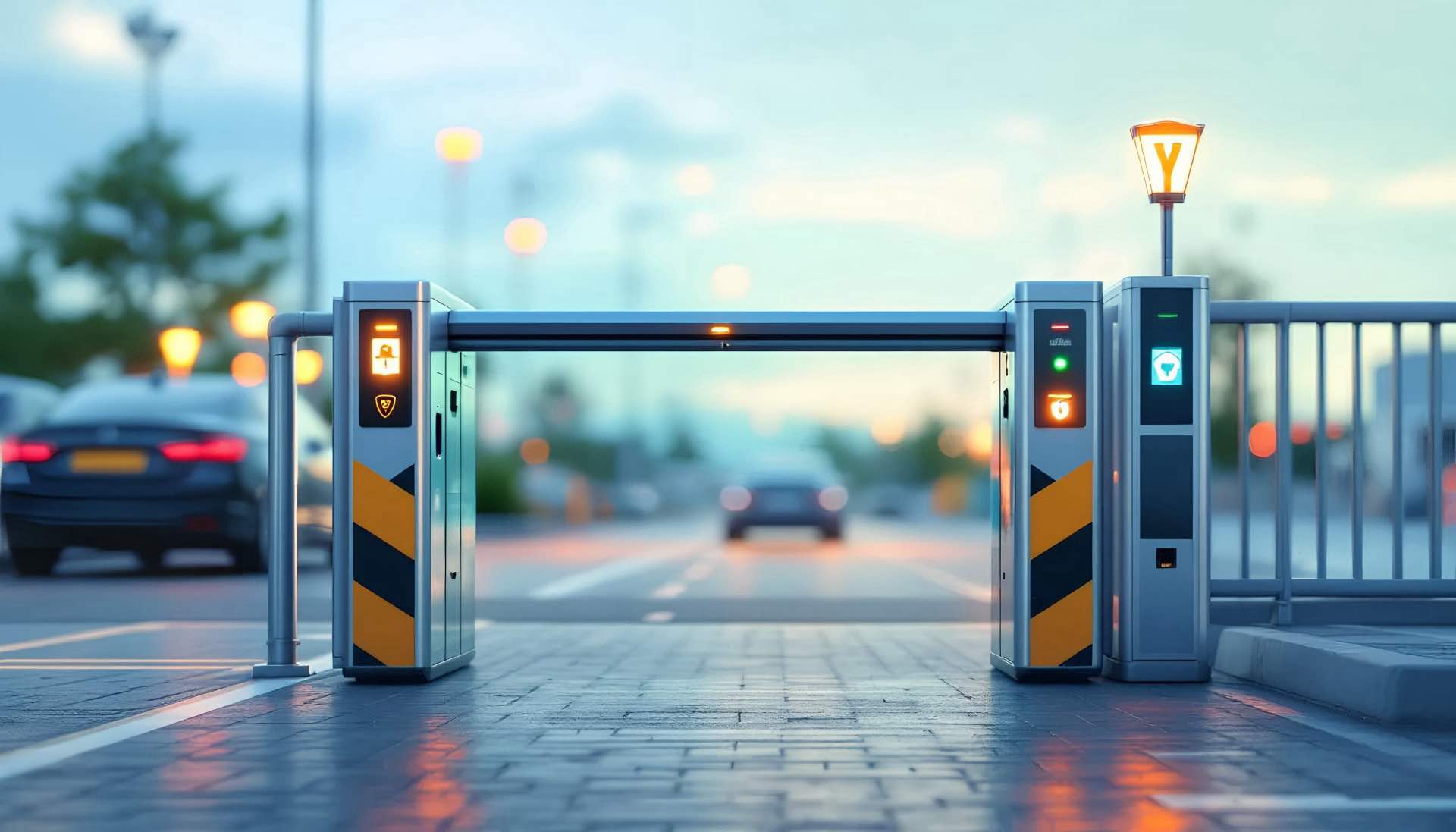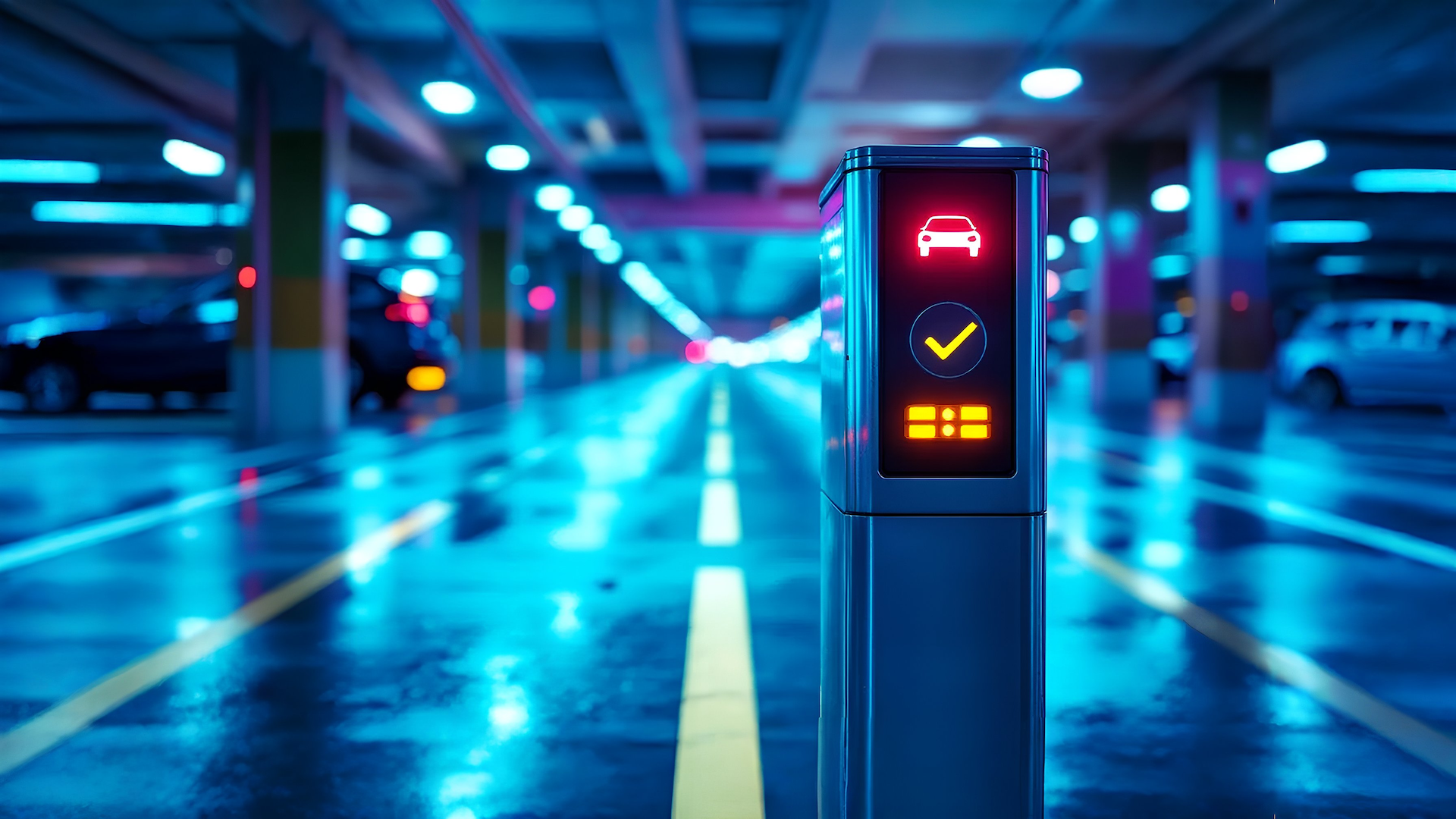

Real-Time Parking uses Smart Parking Systems with Parking Sensors and IoT Technology to reduce Urban Congestion by guiding drivers to available spaces faster.
Finding a parking spot shouldn’t feel like a scavenger hunt. Yet millions of drivers waste precious time circling blocks, adding to traffic jams and frustration. Real-Time Parking solutions change this completely. Smart Parking Systems use Parking Sensors and IoT Technology to show exactly where open spaces are, cutting down search time and easing urban traffic. When drivers know where to go, congestion drops dramatically.
Understanding Real-Time Parking Technology
Real-Time Parking guidance represents a fundamental shift in how cities manage parking resources. Rather than leaving drivers to guess where spaces might be available, Smart Parking Systems provide instant, accurate information about parking availability across entire facilities or city-wide networks.
Core Components of Smart Guidance Systems
Smart Parking Systems rely on several interconnected technologies working together. Digital displays positioned at key decision points show drivers exactly how many spaces remain in different zones or levels. Mobile applications provide the same information remotely, letting people plan trips before leaving home. Parking Sensors form the foundation of these systems, detecting vehicle presence and transmitting data instantly. Central management platforms process information and distribute it across multiple channels simultaneously.
How Parking Sensors Detect Availability
IoT Technology transforms parking management from a static infrastructure into an intelligent, responsive network. Connected devices communicate constantly, creating a live picture of parking availability that updates in real time. IoT Technology enables seamless integration between Parking Sensors, software platforms, and user interfaces across parking management systems.
IoT Technology in Parking Management
IoT Technology transforms parking from a static infrastructure into an intelligent, responsive network. Connected devices communicate constantly, creating a live picture of parking availability that updates in real time. IoT Technology enables seamless integration between Parking Sensors, software platforms, and user interfaces.
Connected Sensors and Data Collection
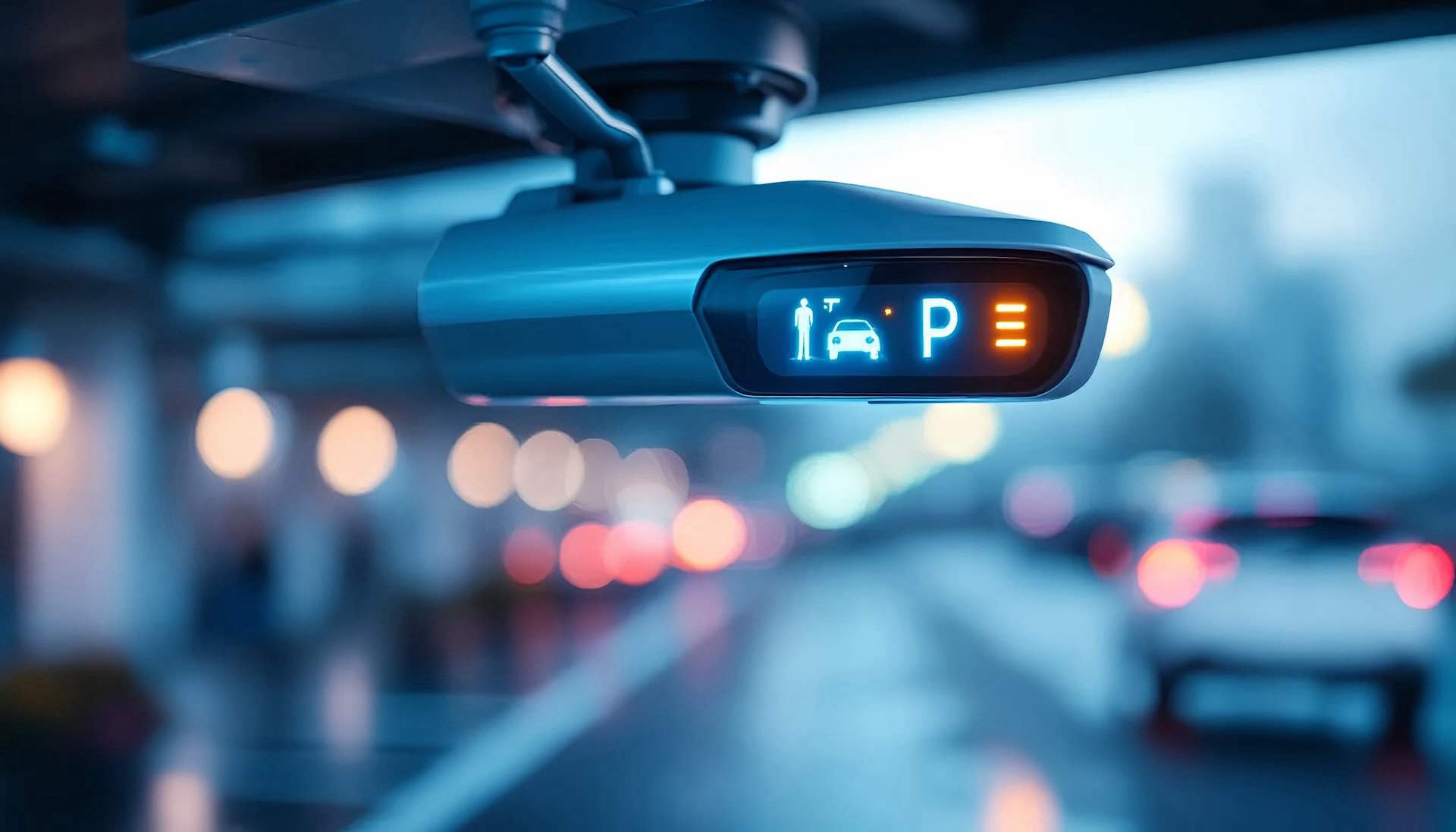
IoT Technology powers sensors that don’t just detect cars—they create continuous data streams. Every parking event generates information: when a space becomes occupied, how long vehicles stay, which areas fill first during peak hours. Parking Sensors equipped with IoT Technology transmit this constant flow of data to centralized systems that analyze patterns and predict future demand. This connectivity allows Smart Parking Systems to operate as unified networks rather than isolated components.
Cloud-Based Processing and Analytics
Cloud platforms handle the massive amounts of data Parking Sensors generate every second. Processing happens instantly, with algorithms filtering raw sensor readings into actionable information. Cloud architecture enables easy scaling—adding more Parking Sensors or facilities doesn’t require new server infrastructure. Operators access dashboards from anywhere, monitoring multiple locations through single interfaces. IoT Technology makes this distributed architecture possible by maintaining reliable connections between edge devices and cloud services.
Reducing Urban Congestion Through Smart Solutions
The connection between parking and Urban traffic Congestion runs deeper than most people realize. Studies consistently show that drivers searching for parking create a significant portion of Urban traffic volume.
The Impact of Circling on Traffic Flow
Research indicates that cruising for parking can account for 30% of traffic in busy Urban districts. Cars moving slowly through streets, making multiple passes, contribute disproportionately to Congestion compared to through-traffic. This circling behavior also increases accident risk as distracted drivers focus on finding spaces rather than other vehicles and pedestrians. Smart Parking Systems directly address this problem by eliminating unnecessary circulation.
Real-Time Data and Driver Decision Making
When drivers receive accurate availability information before entering congested areas, they make better routing decisions. Someone heading downtown can choose between multiple parking facilities based on current occupancy rather than driving to a preferred location only to find it full. Real-Time Parking information distributes parking demand more evenly and prevents bottlenecks at popular facilities. This data-driven approach reduces overall Urban Congestion significantly.
Benefits of Real-Time Parking Guidance
The advantages extend far beyond just finding spaces faster. Smart Parking Systems create positive ripple effects throughout Urban transportation systems.
Time Savings for Drivers
Eliminating search time translates directly into reclaimed minutes for drivers. What might take 10-15 minutes of circling becomes a direct route to an available space through Real-Time Parking information. Over time, these minutes add up to hours saved annually for regular users. Businesses benefit too, as employees and customers spend less time frustrated in traffic. Smart Parking Systems deliver measurable time savings that improve quality of life.
Environmental Impact and Emission Reduction
Less driving means less pollution. When vehicles stop circling blocks unnecessarily, fuel consumption drops and emissions decrease. Cities implementing comprehensive Smart Parking Systems have documented reductions of 10% or more in greenhouse gases from parking-related traffic. These improvements contribute measurably toward Urban air quality and climate goals. Real-Time Parking guidance supports sustainability initiatives without requiring expensive infrastructure overhauls.
Revenue Optimization for Operators
Parking facility operators gain powerful tools for maximizing revenue through Smart Parking Systems. Understanding which spaces fill first, when peak periods occur, and how long vehicles typically stay enables dynamic pricing strategies. Facilities can adjust rates based on Real-Time Parking demand, ensuring efficient use of premium spaces while maintaining competitive pricing during off-peak hours.
Implementation and Integration
Successful Real-Time Parking systems require thoughtful deployment across multiple user touchpoints. Drivers need consistent, reliable information regardless of how they access the system.
Mobile Apps and Digital Signage
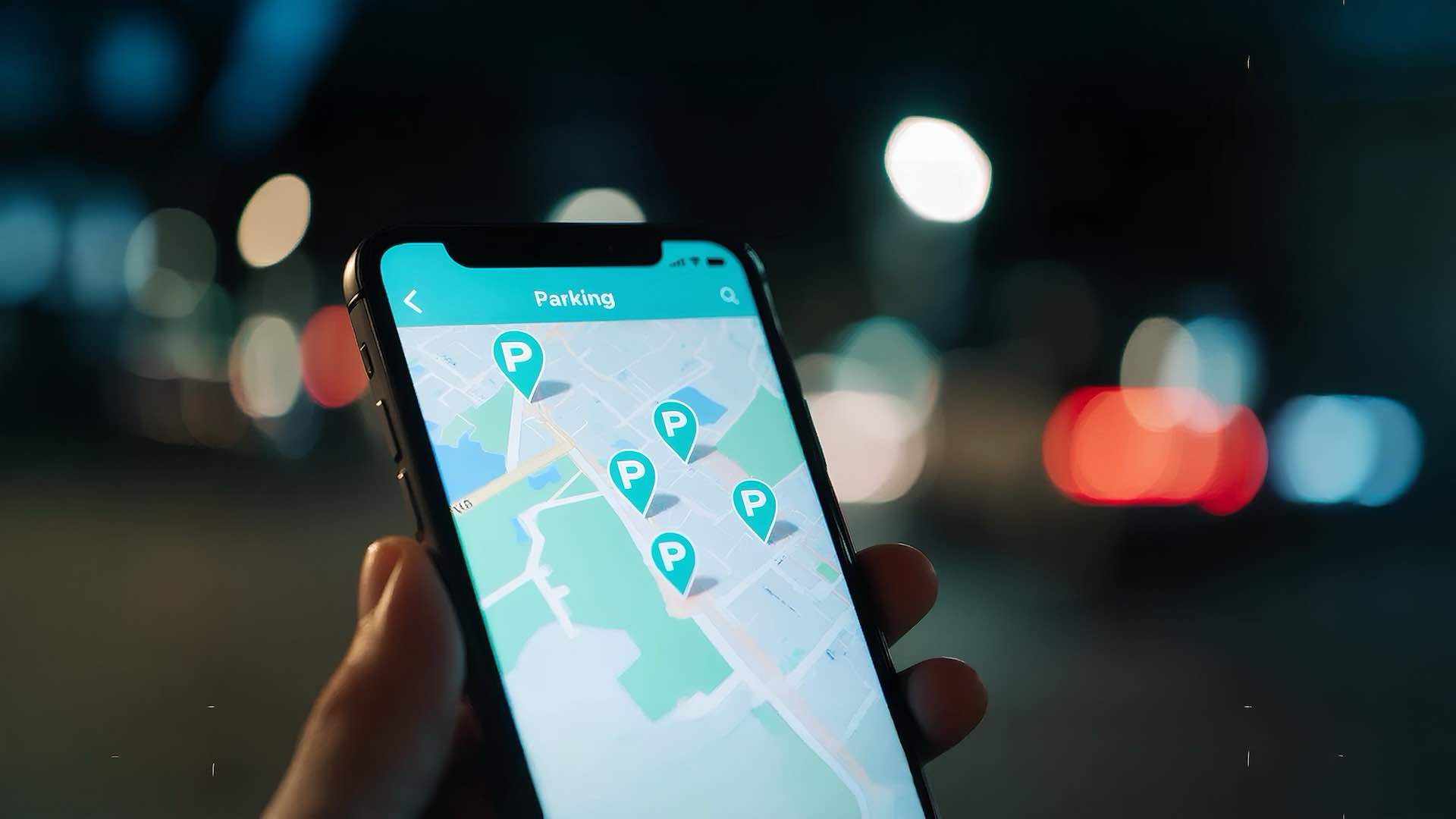
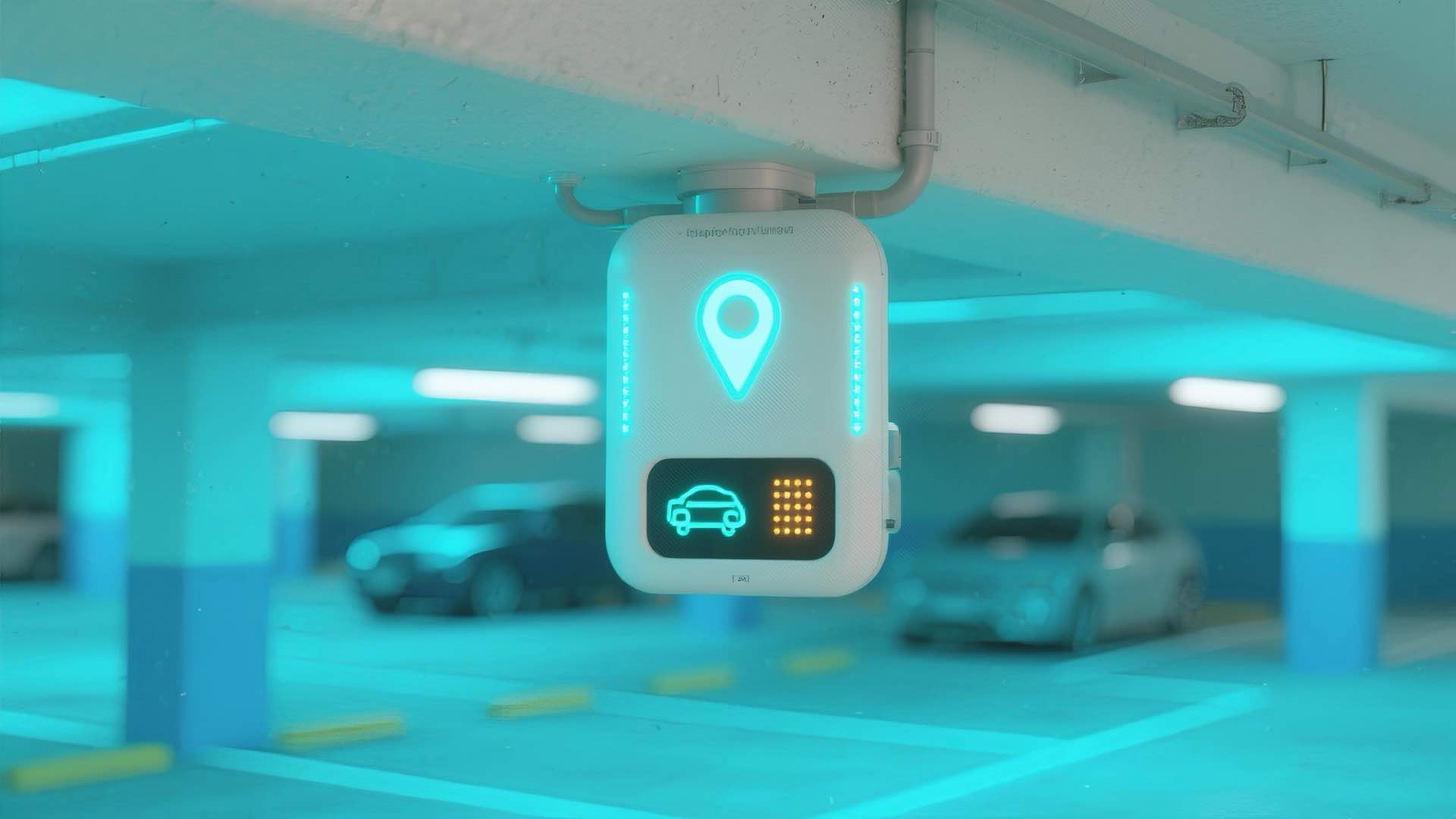
Mobile applications put Real-Time Parking information directly in drivers’ hands. Users can search for availability, compare prices, reserve spaces, and pay—all from smartphones. Meanwhile, digital signs positioned along roadways guide drivers who haven’t used apps, ensuring equitable access to information. These signs display clear, simple messages about available spaces ahead, reducing confusion at critical decision points. Parking Sensors feed live data to both mobile apps and signage simultaneously, creating unified experiences.
Integration with Navigation Systems
The most seamless experiences come when Real-Time Parking data flows directly into navigation apps people already use. Major mapping platforms now incorporate parking availability from Smart Parking Systems, showing options near destinations and including them in route planning. In-vehicle navigation systems in newer cars pull the same data, making guidance truly effortless. IoT Technology enables these integrations through standardized data protocols.
Smart City Infrastructure Connection
Real-Time Parking doesn’t exist in isolation—it connects with broader smart city initiatives through IoT Technology. Traffic signal timing can adjust based on parking patterns detected by Parking Sensors. Public transit apps can suggest park-and-ride facilities with available spaces. Emergency services gain access to parking data during incidents. This integration creates synergies that amplify benefits across Urban systems.
Future of Real-Time Parking Systems
The technology continues evolving rapidly. What seems advanced today will soon become standard as new capabilities emerge in Smart Parking Systems.
AI-Driven Predictive Analytics
Artificial intelligence takes Real-Time Parking guidance to the next level by predicting future availability. Machine learning algorithms analyze historical patterns, special events, weather conditions, and other factors to forecast when and where parking will be scarce. Drivers receive proactive suggestions about optimal parking times or alternative locations before problems develop. IoT Technology enables the massive data collection needed for these AI predictions, with Parking Sensors providing continuous input streams.
Autonomous Vehicle Integration
Self-driving cars will revolutionize parking entirely. Vehicles will drop passengers at destinations then park themselves in optimal locations, potentially far from final destinations. Smart Parking Systems will communicate directly with autonomous vehicles, directing them to available spaces without human intervention. This capability could dramatically reduce parking needs in city centers as vehicles spend less time sitting idle. IoT Technology provides the communication backbone for vehicle-to-infrastructure connectivity, allowing seamless coordination between cars and Parking Sensors.
Cities embracing Real-Time Parking technology through Smart Parking Systems powered by Parking Sensors and IoT Technology are seeing remarkable results. Urban areas experience less Congestion, drivers save time and fuel, and parking operators maximize efficiency. The transformation from frustrating searches to seamless experiences represents a fundamental improvement in Urban mobility. As these systems become more sophisticated and widespread, the benefits will only multiply, making parking challenges a problem of the past rather than an ongoing Urban headache.