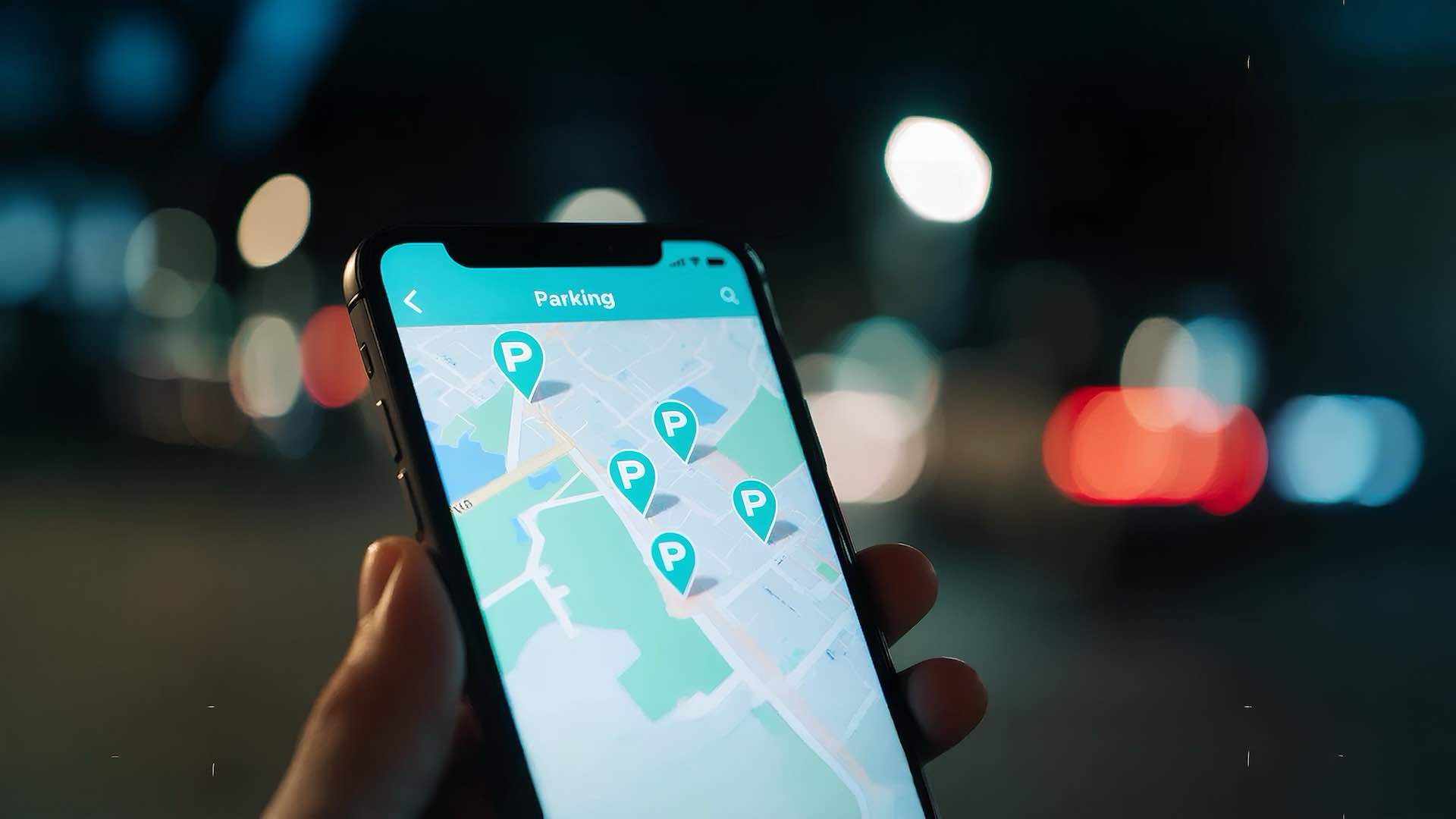

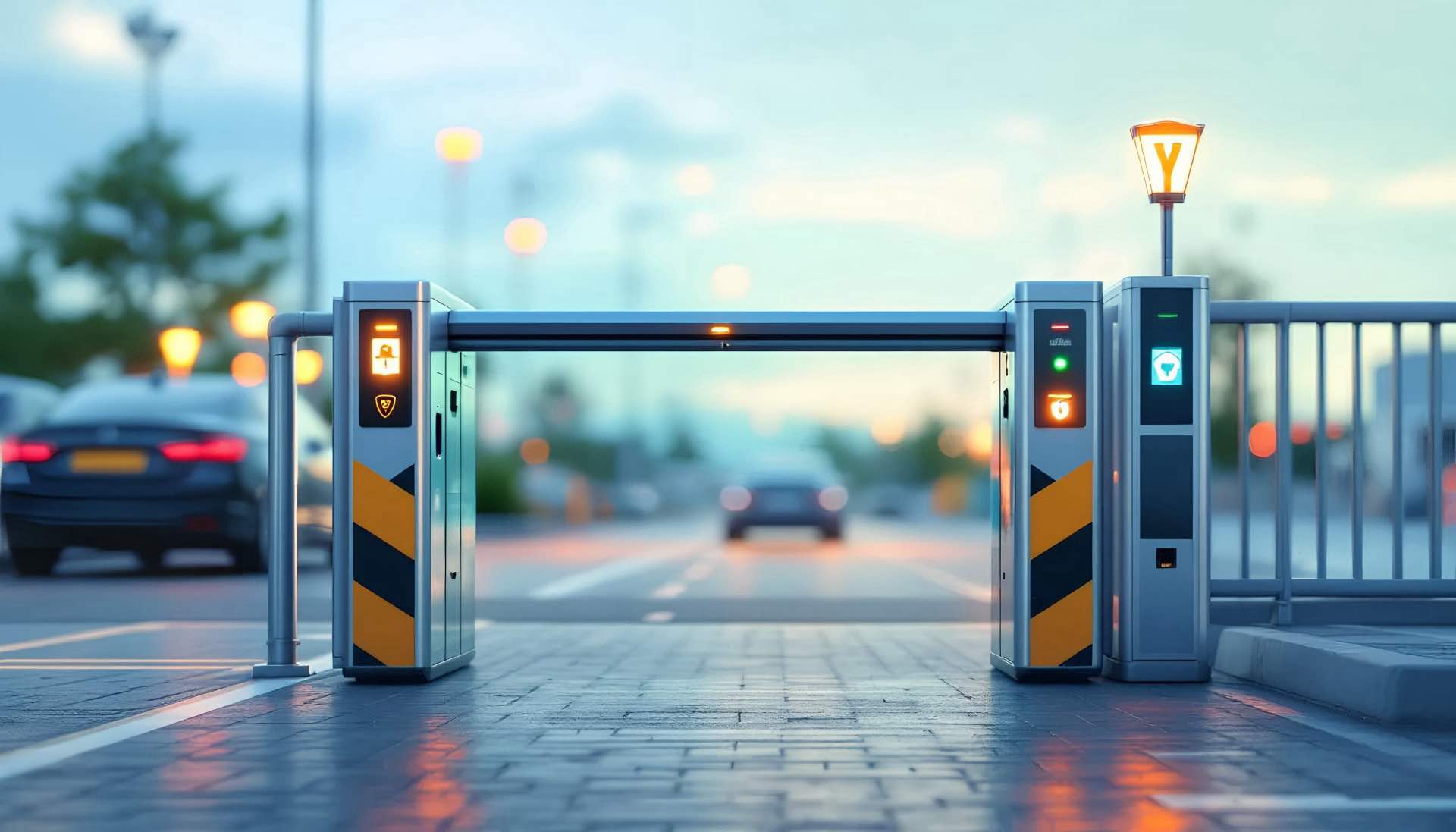
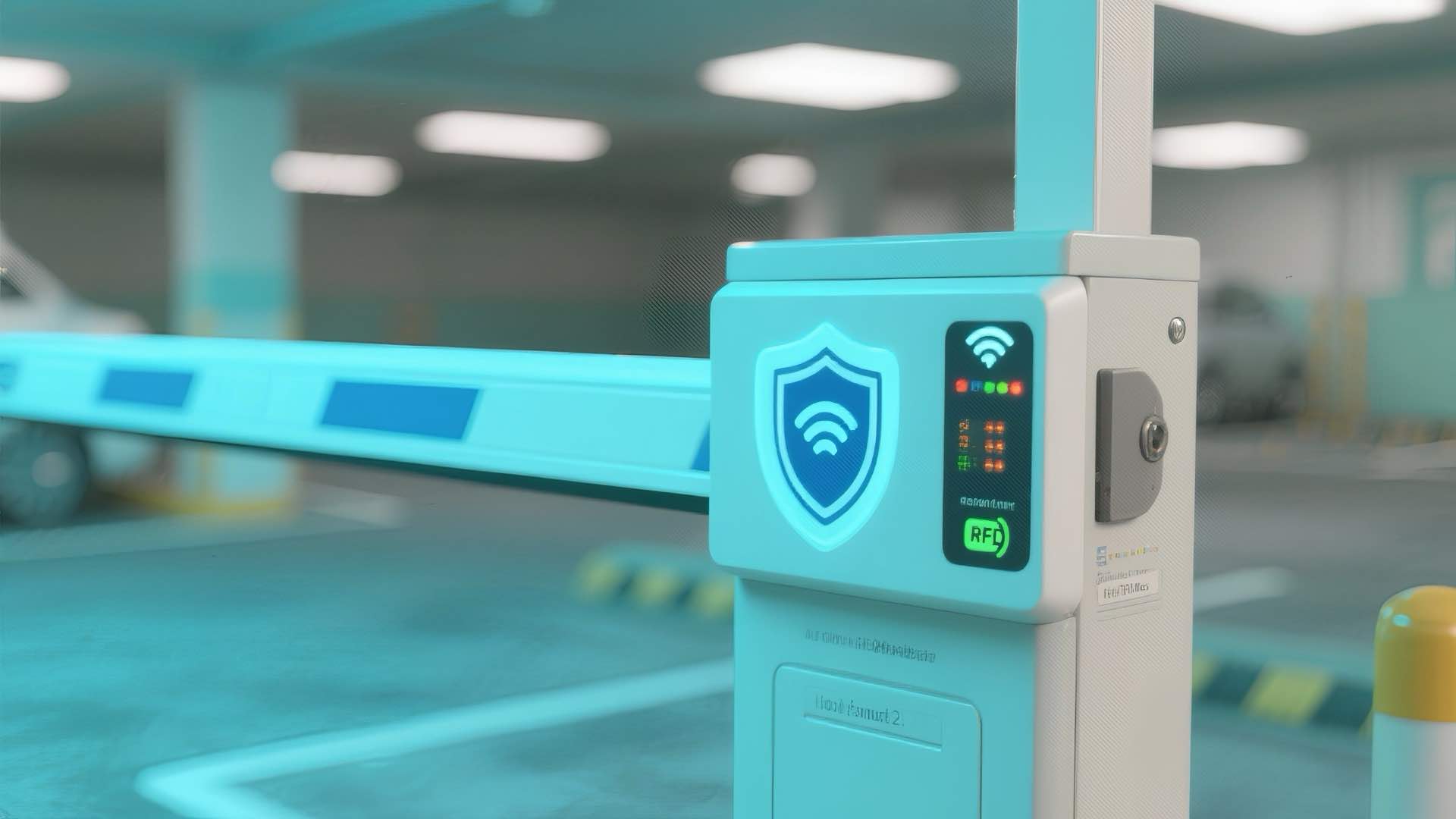
Parking barrier gate systems use boom arm, access control, vehicle authentication, and PARCS to manage parking access, enhance security, and improve efficiency.
Modern parking facilities rely on sophisticated parking barrier gate systems to control vehicle movement. These automated solutions combine mechanical components with digital technology to create secure, efficient parking environments. Understanding how these systems function helps facility managers make informed decisions about access control implementation. A parking barrier gate serves as the primary physical checkpoint in parking facilities. The system uses boom arm technology paired with vehicle authentication methods to regulate entry and exit. Through access control integration and PARCS connectivity, these gates transform traditional parking into smart, revenue-generating operations.
Understanding Parking Barrier Gates
Parking barrier gate systems represent the evolution from simple manual barriers to intelligent access points. These devices create physical boundaries that vehicles cannot pass without proper authorization. The technology bridges security needs with operational efficiency.
The basic concept involves a horizontal arm that blocks vehicle passage. When authorization occurs, the arm lifts to grant access. This simple mechanism becomes powerful when integrated with modern technology. Today’s systems process hundreds of vehicles daily while maintaining accurate records.
Facilities worldwide depend on barrier gates to protect assets and manage traffic. From small residential complexes to massive commercial centers, these systems scale to meet diverse requirements. You’ll find them controlling everything from parking revenue to security protocols.
Core Components of Barrier Gate Systems
Boom Arm Structure and Materials
The boom arm forms the visible barrier component. Manufacturers construct these arms from aluminum, carbon fiber, or reinforced materials. Length varies from 10 to 20 feet depending on lane width. Lightweight materials enable faster operation while maintaining durability.
Modern arms include breakaway features that prevent damage during accidental impacts. The mechanism automatically resets after contact. Some models feature illuminated arms with LED strips for enhanced visibility. This proves especially valuable during nighttime operations.
Weight distribution affects performance significantly. Engineers balance arm length against motor capacity. Proper calibration ensures smooth operation across thousands of cycles. Premium systems operate in under two seconds from closed to open position.
Control Units and Motor Systems
Control units serve as the brain of barrier gate operations. These processors manage authentication requests and coordinate mechanical movement. Direct drive motors provide reliable performance with minimal maintenance requirements. Brushless DC motors dominate modern installations.
The controller integrates multiple input sources simultaneously. It processes signals from sensors, readers, and management software. Output controls govern motor speed, direction, and stopping precision. Advanced units adjust operation based on traffic patterns.
Backup power systems maintain functionality during outages. Battery systems typically support 500 to 1000 cycles without external power. This ensures continuous operation during emergencies. Remote monitoring capabilities alert managers to potential issues before failures occur.
Sensor Technology and Safety Features
Safety sensors prevent accidents and equipment damage. Infrared detectors identify vehicles in the gate path. Loop detectors embedded in pavement confirm vehicle presence. These systems work together to prevent premature closing.
Photocells create invisible barriers across traffic lanes. Breaking the beam triggers immediate gate reversal. This protects vehicles and pedestrians from harm. Redundant sensor systems provide multiple layers of protection.
Anti-tailgating technology prevents unauthorized vehicles from following authorized entries. The system monitors spacing between vehicles. When following too closely, the gate remains closed until proper spacing returns. This feature significantly reduces revenue loss.
How Parking Barrier Gates Operate
Vehicle Detection Process
Vehicle authentication begins when sensors detect approaching vehicles. Ground loops sense metal mass entering detection zones. Cameras activate to capture license plates or vehicle images. The system prepares for credential verification.
Detection zones typically extend 15 to 30 feet from the gate. This distance allows sufficient processing time. Multiple sensors confirm vehicle presence and position. False triggers are filtered through algorithm verification.
Real-time data flows to the control unit continuously. Processing occurs in milliseconds to maintain traffic flow. The system distinguishes between vehicles, pedestrians, and environmental factors. Advanced algorithms reduce false positives significantly.
Authentication and Verification Steps
Access control verification matches presented credentials against authorized databases. RFID readers scan tags within seconds. License plate cameras compare captured images to registered vehicles. The system checks expiration dates and access privileges.
Database queries occur instantaneously through network connections. Cloud-based systems access centralized databases from multiple locations. Local caching ensures operation during network interruptions. Authorization decisions complete in under one second.
Failed authentication triggers denial protocols. The gate remains closed while the system logs the attempt. Notifications alert security personnel to unauthorized access attempts. Some systems capture images of denied vehicles for review.
Gate Opening and Closing Mechanism
Upon successful authentication, the control unit signals motor activation. The boom arm rotates upward to vertical position. Opening speed adjusts based on configured settings. Premium systems complete cycles in one to three seconds.
Status indicators inform drivers when passage is safe. LED panels display red during closed status and green when open. Some installations include countdown timers. Audio alerts supplement visual indicators.
Closing sequences begin after vehicle passage confirmation. Rear sensors verify the vehicle cleared the gate path. The arm descends smoothly to horizontal position. Safety features interrupt closing if obstacles appear.
Vehicle Authentication Methods
RFID and Card-Based Systems
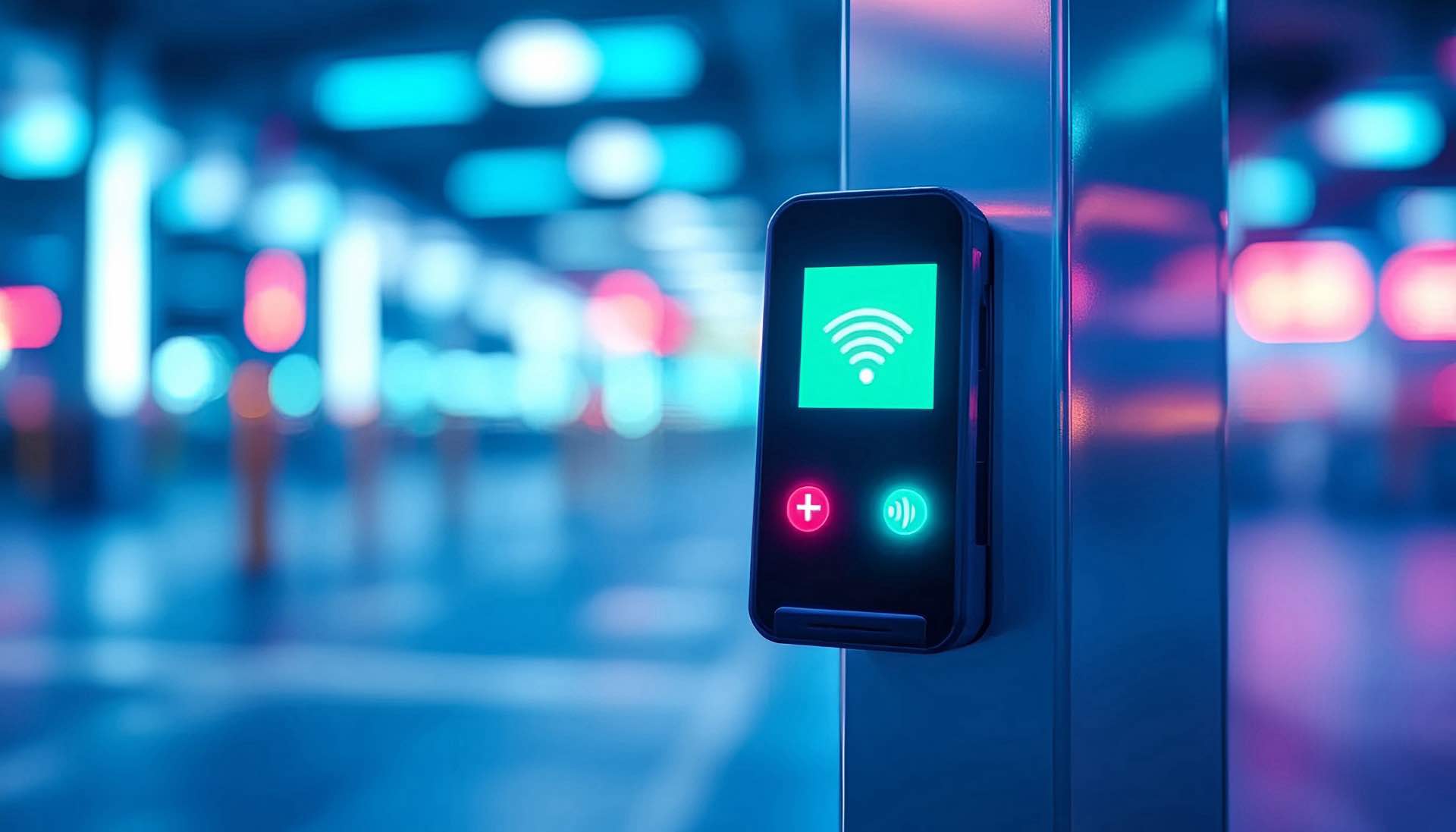
RFID technology enables touchless access control through radio frequency identification. Users receive tags or cards programmed with unique identifiers. Readers detect these credentials from several feet away. The contactless process maintains smooth traffic flow.
Active RFID tags contain batteries and transmit signals continuously. Passive tags activate when entering reader range. Both types support long-term use with minimal maintenance. Credential management occurs through centralized software platforms.
Card-based systems require closer proximity to readers. Users present cards at designated contact points. Magnetic stripe and smart card technologies both function effectively. These methods suit facilities requiring enhanced security verification.
License Plate Recognition Technology
LPR cameras provide seamless vehicle authentication without physical credentials. High-resolution cameras capture plate images as vehicles approach. Optical character recognition software extracts alphanumeric data. The system matches plates against authorized vehicle databases.
Recognition accuracy exceeds 95% in optimal conditions. Supplemental lighting ensures performance during nighttime and poor weather. Multiple camera angles improve reliability. The technology eliminates lost credential issues entirely.
Integration with PARCS enables automatic billing and access management. Visitors enter once, and the system calculates charges upon exit. Monthly permit holders enjoy frictionless entry and exit. Administrative overhead decreases significantly compared to traditional methods.
Ticket-Based Entry and Exit
Traditional ticket systems remain popular for transient parking. Entry stations dispense time-stamped tickets to arriving vehicles. Drivers present tickets at exit stations for payment processing. The parking barrier gate opens after successful payment.
Modern ticket systems incorporate barcodes or QR codes for tracking. Central computers monitor all transactions in real-time. Lost ticket protocols ensure revenue protection. Premium pricing applies when tickets cannot be produced.
Automated payment kiosks accept multiple payment methods. Credit cards, mobile payments, and cash all process efficiently. Receipt printing provides transaction documentation. Integration with validation systems supports merchant parking programs.
Mobile App Integration
Smartphone applications represent the newest access control frontier. Users register vehicles and payment methods within apps. QR codes or Bluetooth signals authenticate at gate approaches. The entirely digital process eliminates physical credentials.
Reservation systems integrate with mobile platforms seamlessly. Users book spaces in advance and receive digital confirmations. Upon arrival, gates recognize reservations automatically. Departure processing occurs without driver intervention.
Push notifications keep users informed of charges and receipts. Monthly subscription management occurs through app interfaces. Guest access sharing enables temporary authorization. The technology appeals strongly to younger demographics.
Types of Parking Barrier Gates
Manual Barrier Gates
Manual gates require human operation for each cycle. Attendants physically raise and lower the boom arm. These systems suit low-traffic facilities or temporary installations. Initial costs remain minimal compared to automated alternatives.
Operation depends entirely on personnel availability. Labor costs accumulate over time. Response speeds vary based on attendant attentiveness. However, manual systems provide flexibility for unique situations.
Upgrading to automation remains straightforward. Existing structures often accommodate electronic components. This allows phased technology adoption. Many facilities begin manually and automate as traffic increases.
Automatic Barrier Gates
Automatic parking barrier gate systems operate without direct human intervention. Electronic controls manage all operational aspects. Vehicle authentication triggers mechanical responses automatically. These systems handle high-volume traffic efficiently.
Programming allows customization of timing and safety parameters. Remote management enables centralized control of multiple locations. Diagnostic systems alert managers to maintenance needs. Operating costs decrease through labor reduction.
Modern automatic gates integrate with comprehensive parking platforms. Revenue tracking, space management, and security monitoring occur simultaneously. Data analytics inform operational improvements. Return on investment typically occurs within two to three years.
Boom Gate Systems
Boom gates represent the most common parking barrier gate configuration. The horizontal boom arm pivots from vertical housing. Single-arm designs accommodate lanes up to 20 feet wide. Dual-arm installations manage wider entrances.
Construction materials balance durability against weight. Aluminum arms offer excellent strength-to-weight ratios. Carbon fiber provides premium performance with enhanced resilience. Weatherproof coatings protect against environmental damage.
Mounting options include surface installation and concrete embedment. Proper installation ensures decades of reliable operation. Arm position indicators improve visibility for drivers. Reflective striping enhances safety during nighttime operations.
Sliding Barrier Gates
Sliding gates move horizontally rather than vertically. These systems suit locations with height restrictions. The barrier tracks along a rail system. Operation produces minimal overhead clearance requirements.
Industrial facilities often prefer sliding configurations. Heavy-duty construction withstands demanding environments. Multi-section designs accommodate extra-wide passages. Security benefits increase through substantial barrier mass.
Integration capabilities match boom gate equivalents. All standard access control technologies function identically. Installation complexity increases slightly. However, specialized applications justify the additional consideration.
PARCS Integration and Functionality
Revenue Collection Systems
PARCS platforms centralize all parking revenue operations. The system tracks every vehicle entry and calculates appropriate charges. Multiple rate structures accommodate various user types. Automated billing eliminates manual cash handling.
Credit card processing integrates directly with payment terminals. Transaction fees decrease through volume processing agreements. Monthly reporting provides detailed financial analytics. Revenue reconciliation occurs automatically.
Validation programs support merchant partnerships effectively. Businesses purchase parking credits for customer benefits. The system applies discounts or complimentary parking automatically. These programs drive foot traffic while generating parking revenue.
Real-Time Monitoring Capabilities
Facility managers access live operational data continuously. Dashboard displays show current occupancy levels. Entry and exit rates update every few seconds. Alert systems notify managers of unusual patterns.
Camera integration provides visual confirmation of operations. Remote viewing capabilities enable off-site monitoring. Historical playback assists with dispute resolution. Security integration enhances overall facility protection.
Predictive analytics forecast peak usage periods. Staffing and resource allocation improve through data-driven decisions. Maintenance schedules optimize around traffic patterns. These insights drive operational excellence.
Database Management
Central databases store all vehicle authentication records. Registration information, payment histories, and access privileges reside in secure systems. Multi-location operators benefit from unified data management. Cloud hosting ensures data availability and redundancy.
User account management occurs through web portals. Self-service registration reduces administrative workload. Automated renewals maintain continuous access for subscribers. Database queries execute in milliseconds for instant verification.
Compliance reporting meets regulatory requirements automatically. Privacy protections secure sensitive user information. Regular backups prevent data loss. Disaster recovery procedures ensure business continuity.
Access Control Technologies
Entry Control Mechanisms
Entry access control validates credentials before granting access. Multiple authentication methods operate simultaneously. The system accommodates various user types through flexible programming. Authorized users experience frictionless entry.
Time-based restrictions limit access to specific periods. Holiday schedules adjust automatically. Temporary access permissions support visitors and contractors. Administrative controls prevent unauthorized credential distribution.
Entry logging creates detailed audit trails. Every access attempt records timestamp and credential information. Security reviews utilize these logs for investigation. Compliance documentation generates automatically.
Exit Control Processes
Exit processing verifies payment completion before allowing departure. The system matches exit vehicles to entry records. Outstanding charges calculate automatically based on duration. Payment must occur before the parking barrier gate opens.
Grace periods accommodate brief payment delays. Extended stays trigger escalated pricing. Lost ticket protocols protect revenue through maximum charges. Dispute resolution procedures handle exceptional situations.
Express lanes serve monthly permit holders. Vehicle authentication occurs automatically without payment stops. Traffic throughput increases significantly. User satisfaction improves through reduced wait times.
Unauthorized Access Prevention
Anti-passback systems prevent credential sharing. The system tracks entry and exit sequences. Credentials used for entry cannot grant additional entries until proper exit. This feature protects against revenue loss.
Tailgating detection monitors vehicle spacing. When vehicles follow too closely, the gate remains closed. Visual and audio warnings alert operators. Security response protocols activate for persistent violations.
Alarm integration notifies security of forced entry attempts. Physical barriers withstand ramming attempts. Video documentation captures all incidents. These layers create comprehensive protection.
Benefits of Barrier Gate Systems
Enhanced Security Features
Parking barrier gate installations dramatically improve facility security. Physical barriers prevent unauthorized vehicle access effectively. Combined with surveillance systems, comprehensive protection emerges. Criminal activity decreases measurably.
Access logs identify all vehicles entering premises. Time-stamped records support investigations when incidents occur. Credential management allows instant access revocation. Former employees and terminated users lose privileges immediately.
Integration with broader security systems creates unified protection. Alarms, cameras, and barriers work together seamlessly. Central monitoring stations oversee multiple locations simultaneously. Response times decrease through automated alerting.
Traffic Flow Management
Automated systems process vehicles faster than manual operations. Average transaction times decrease to under 10 seconds. Peak period congestion reduces significantly. Driver frustration diminishes through efficient processing.
Multiple lane configurations scale capacity as needed. Express lanes separate permit holders from transient parkers. This segregation maximizes throughput for all users. Traffic patterns improve throughout surrounding areas.
Real-time occupancy displays guide drivers to available spaces. This reduces aimless circulation within facilities. Fuel consumption and emissions decrease. Overall parking experience quality increases substantially.
Revenue Protection and Optimization
PARCS integration ensures accurate charge calculation for every vehicle. Revenue leakage through unpaid exits virtually disappears. Automated enforcement eliminates human error. Collections increase 15-30% on average.
Dynamic pricing adjusts rates based on demand. Premium periods generate maximum revenue. Off-peak discounts encourage utilization during slow times. Total revenue optimizes across all periods.
Detailed reporting identifies revenue trends and opportunities. Promotional programs target specific user segments. Data-driven decisions replace guesswork. Financial performance improves consistently.
Operational Cost Reduction
Automated parking barrier gate systems reduce staffing requirements significantly. Facilities operate effectively with minimal personnel. Labor costs decrease by 40-60% typically. Remaining staff focus on customer service rather than routine transactions.
Maintenance costs remain predictable through preventive programs. Modern systems provide 10-15 years of reliable operation. Component replacement occurs on planned schedules. Unexpected downtime becomes rare.
Energy-efficient components minimize electrical consumption. Solar options eliminate utility costs entirely. LED lighting reduces power usage further. Operating expenses optimize across all categories.
Applications Across Different Facilities
Commercial Parking Lots
Shopping centers and office buildings depend on parking barrier gate systems. Revenue generation requires accurate tracking and billing. High-volume processing capabilities prove essential. Multiple payment options accommodate diverse users.
Validation programs support merchant relationships effectively. Customers receive complimentary or discounted parking benefits. These programs drive retail traffic. Property values increase through enhanced amenities.
Reserved parking programs generate premium revenue. Executive spaces and preferred locations command higher rates. The system enforces assignments automatically. Unauthorized parking attempts trigger immediate alerts.
Residential Communities
Gated communities utilize barrier gates for security and exclusivity. Resident vehicle registration creates authorized user databases. Visitor management systems handle guests professionally. Package delivery access occurs through temporary credentials.
Community association management integrates with barrier systems. Dues payment verification can link to access privileges. Rental property management benefits from turnover simplicity. New residents receive credentials instantly.
Amenity access control extends beyond vehicle entry. Pool areas, fitness centers, and clubhouses use similar technology. Unified systems simplify management across all access points. Resident satisfaction increases through convenient access.
Public Parking Facilities
Municipal parking operations balance revenue generation with public service. PARCS capabilities provide comprehensive financial management. Multiple rate structures accommodate various parking purposes. Enforcement occurs automatically without extensive personnel.
Integration with parking guidance systems optimizes space utilization. Real-time availability displays guide drivers efficiently. Mobile apps provide location and pricing information. User experience improves substantially.
Accessibility compliance ensures disabled parking accommodation. Wide lanes accommodate wheelchair-accessible vans. Audio announcements assist visually impaired users. Universal design principles guide system configuration.
Industrial and Corporate Sites
Manufacturing facilities and corporate campuses require robust security. Vehicle authentication prevents unauthorized access to sensitive areas. Employee databases integrate with human resources systems. Contractor access receives time-limited authorization.
Shipping and receiving operations benefit from automated gate systems. Delivery vehicle credentials expedite cargo processing. Loading dock assignments coordinate with gate access. Supply chain efficiency improves measurably.
Fleet management integration tracks company vehicle movements. Maintenance schedules coordinate with usage patterns. Unauthorized personal use becomes detectable. Asset protection improves through comprehensive tracking.
Installation and Maintenance Considerations
Site Assessment Requirements
Professional site evaluation precedes installation. Traffic patterns determine optimal gate placement. Lane width measurements ensure proper equipment selection. Utility locations affect installation planning.
Soil conditions influence foundation requirements. Concrete specifications vary based on equipment weight. Drainage considerations prevent water accumulation. Proper site preparation ensures longevity.
Network connectivity requirements determine infrastructure needs. Hardwired connections provide maximum reliability. Wireless options suit locations lacking cable infrastructure. Power supply capacity must accommodate all components.
Installation Best Practices
Licensed contractors should perform barrier gate installations. Proper alignment ensures smooth operation and longevity. Electrical connections must meet local codes. Safety systems require thorough testing before activation.
Sensor calibration affects both safety and performance. Detection zones require precise adjustment. Loop sensitivity settings prevent false triggers. Professional commissioning validates all functions.
User training ensures proper system utilization. Staff must understand operational procedures. Troubleshooting basics reduce downtime. Documentation provides ongoing reference materials.
Routine Maintenance Procedures
Scheduled maintenance extends equipment life significantly. Lubrication prevents mechanical wear. Sensor cleaning maintains detection accuracy. Software updates address security vulnerabilities.
Boom arm inspection identifies potential failures early. Mounting hardware tightness prevents loosening. Safety system testing confirms proper protection. Quarterly servicing typically suffices for standard installations.
Professional service contracts ensure expert maintenance. Technicians possess specialized knowledge and tools. Emergency response provisions minimize downtime impact. Maintenance costs remain predictable through service agreements.
Future of Barrier Gate Technology
AI and Smart Integration
Artificial intelligence transforms parking barrier gate operations. Machine learning algorithms optimize traffic flow dynamically. Predictive analytics forecast maintenance needs before failures. System performance improves continuously through data analysis.
Facial recognition supplements vehicle authentication methods. Multi-factor verification enhances security substantially. Behavioral analysis detects suspicious patterns. Threat response occurs automatically.
Integration with smart city infrastructure creates seamless mobility. Parking availability data feeds navigation systems. Dynamic pricing responds to city-wide demand. Transportation systems coordinate holistically.
Contactless Solutions
Touchless operation becomes standard across all systems. Smartphone-based access control eliminates physical credentials entirely. Voice commands enable hands-free interaction. Gesture recognition provides alternative control methods.
Health considerations drive touchless adoption. Pandemic experiences accelerated technology deployment. Users appreciate convenience alongside hygiene benefits. These solutions become permanent fixtures.
Biometric authentication expands beyond facial recognition. Fingerprint scanners and iris readers provide additional options. Multi-modal approaches balance security with convenience. User preferences determine authentication methods.
Sustainability Features
Solar-powered systems eliminate grid dependency. Battery storage ensures 24-hour operation. Energy harvesting from gate movement supplements power. Carbon footprints decrease substantially.
Recycled materials feature prominently in manufacturing. Product lifecycles extend through modular design. Component replacement minimizes waste. Sustainability certifications guide purchasing decisions.
Smart energy management optimizes consumption patterns. Systems enter low-power modes during idle periods. LED lighting reduces electrical demand. Environmental responsibility aligns with operational efficiency.