


PARC Systems combine parking management, parking access control, revenue management, barrier gates, and automated parking technology for efficient operations.
Modern facilities face mounting pressure to optimize space while maximizing profitability. Parking management has evolved from simple attendant booths to sophisticated technology platforms. PARC systems represent the industry standard for controlling vehicle flow and collecting payments automatically. Parking access control mechanisms work alongside revenue management tools to create seamless operations. Automated parking solutions reduce human error and operational costs. Barrier gates serve as the physical checkpoint for every transaction. PARC technology transforms how facilities handle thousands of daily entries and exits.
Understanding PARC Systems
PARC stands for Parking Access and Revenue Control. This integrated platform manages vehicle entry, exit, and payment processing. You’ll find these PARC systems in commercial garages, hospitals, airports, and retail centers. The technology combines hardware components with centralized software for parking management. Each element communicates in real time to track occupancy and process transactions. Facilities using PARC report 30-40% reductions in operational costs compared to manual operations. The system creates audit trails for every vehicle movement and payment.
Core Components of Parking Access Control
Barrier Gates and Entry Systems
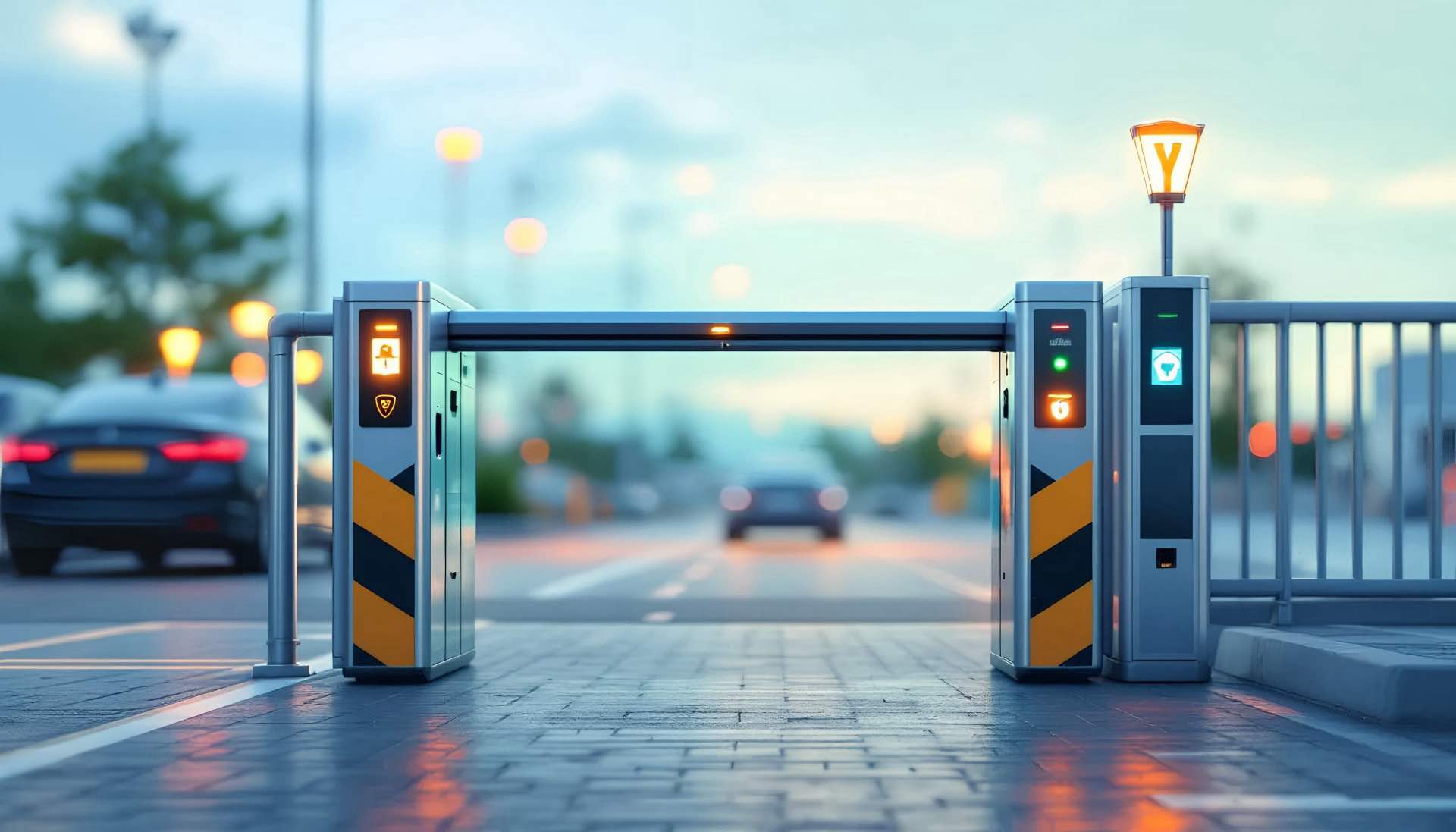
Physical barrier gates control when vehicles can enter or exit facilities. Modern barrier gates use electromagnetic locks and sensors for safety. Arms rise within 2-3 seconds after validation through parking access control systems. Loop detectors prevent gates from closing on vehicles. Some automated parking facilities use retractable bollards instead of traditional arms. Heavy-duty barrier gates handle thousands of daily cycles without maintenance. Anti-tailgating sensors detect multiple vehicles attempting entry on one ticket.
Ticket Dispensers and Validation
Entry stations issue tickets with timestamps and unique identifiers for parking access control. Thermal printers create durable receipts resistant to fading. Barcode or QR code technology enables quick scanning at exit barrier gates. Validation stations allow merchants to subsidize customer parking through PARC systems. Some facilities offer digital tickets through mobile apps for automated parking. Ticket dispensers include intercom systems for customer assistance. Paper jams rarely occur with modern dispensing mechanisms.
Payment Kiosks and Terminals
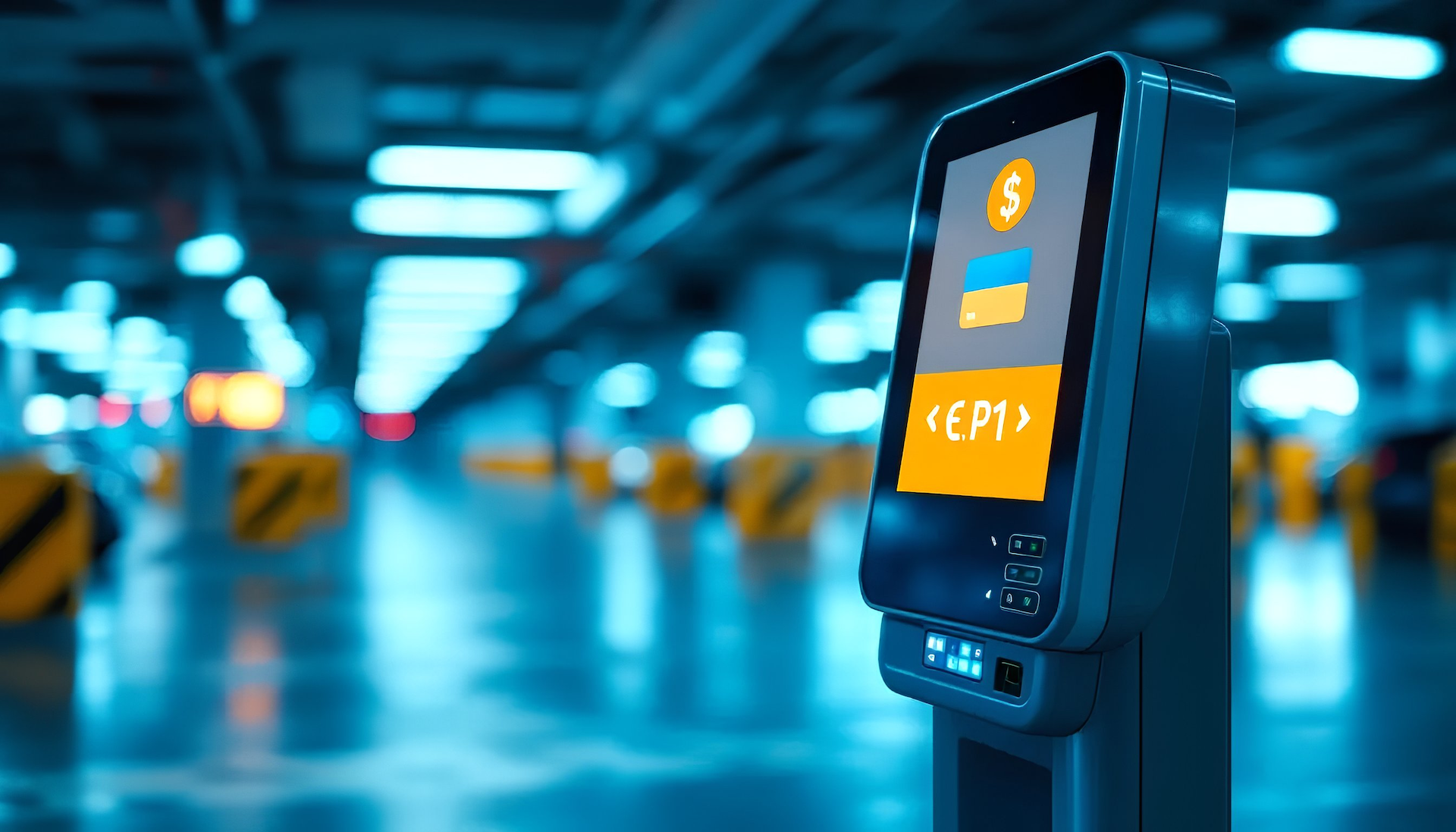
Self-service kiosks accept multiple payment methods as part of revenue management. Credit cards, debit cards, and contactless payments process in seconds. Some units accept cash with automated change dispensing. Touchscreen interfaces guide users through payment steps in PARC systems. Receipt printers provide proof of transaction. Kiosks integrate with validation systems for discounted rates in parking management. Remote monitoring alerts operators to low cash levels or technical issues.
Revenue Management Features
Automated Fee Collection
Software calculates parking fees based on duration and rate structure for revenue management. Hourly, daily, and monthly rates apply automatically through PARC systems. Grace periods prevent charges for brief stops. The parking management system handles complex pricing like event rates or peak hour premiums. Lost ticket fees apply when users cannot produce entry documentation. Early bird specials and weekend rates configure easily in automated parking systems. Revenue management happens without human intervention through parking access control technology.
Payment Processing Options
Modern PARC systems accept traditional and digital payments for revenue management. Credit card processing complies with PCI security standards. Mobile payment apps like Apple Pay and Google Pay work seamlessly with barrier gates. Some facilities accept cryptocurrency or parking loyalty points. Pre-booking systems allow advance payment online through parking management platforms. Corporate accounts enable automated billing for frequent users. Payment flexibility increases customer satisfaction significantly.
Revenue Tracking and Reporting
Centralized dashboards display real-time revenue management data from PARC systems. Operators monitor income by hour, day, or month across parking management operations. Reports identify peak usage times and revenue trends. Variance analysis flags potential revenue leakage in parking access control. Integration with accounting software simplifies financial reconciliation. Historical data helps forecast future revenue management strategies. Audit trails document every transaction for compliance purposes through PARC.
Technology Integration in PARC
License Plate Recognition Systems
Cameras capture and read license plates automatically in parking access control systems. Advanced algorithms work in various lighting conditions. The PARC systems match plates against databases of authorized vehicles. Monthly parkers enter without stopping at barrier gates through automated parking. Stolen vehicle alerts notify security personnel immediately. LPR reduces ticket fraud and lost ticket claims in parking management. Recognition accuracy exceeds 98% with quality camera systems.
Mobile Payment Integration
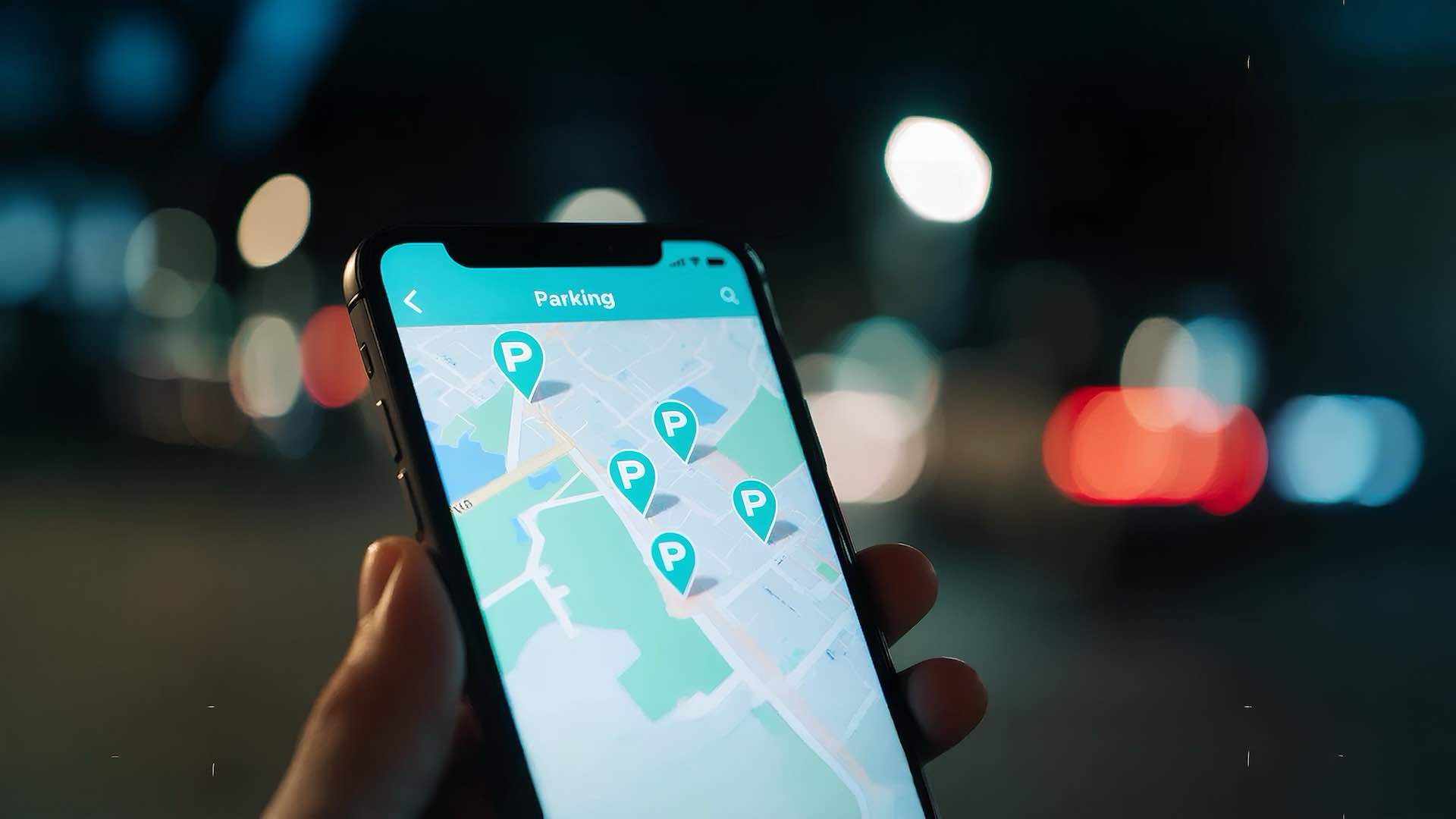
Smartphone apps let users pay without visiting kiosks in PARC systems. QR code scanning at entry links vehicles to accounts for revenue management. Push notifications remind users when parking time expires. Users extend sessions remotely without returning to vehicles through parking management apps. Digital receipts arrive via email or text message. Apps display real-time space availability in some automated parking facilities. Mobile integration reduces payment processing time by 50%.
Cloud-Based Management Platforms
Central servers host all PARC systems data and controls for parking management. Operators manage multiple locations from single interfaces. Software updates deploy automatically without site visits to barrier gates. Cloud storage provides unlimited data retention for revenue management. Remote troubleshooting resolves many parking access control issues without technician dispatch. APIs enable integration with building management systems. Disaster recovery ensures business continuity during outages.
Operational Benefits of Automated Parking
Reduced Labor Costs
Automation eliminates the need for booth attendants in parking management. One operator can monitor multiple facilities remotely through PARC systems. Staffing needs drop by 70% compared to manual operations. Labor savings typically offset system costs within 18-24 months. Remaining staff focus on customer service rather than transactions at barrier gates. Night shift operations continue without personnel through automated parking. PARC technology never calls in sick or takes breaks.
Minimized Revenue Leakage
Every transaction gets recorded and tracked digitally through revenue management systems. Human error in manual collections disappears completely with PARC. The parking access control system prevents unauthorized exits without payment. Video surveillance deters payment avoidance attempts. Detailed reporting identifies unusual patterns quickly in parking management operations. Revenue management increases average 15-25% after PARC implementation. Accountability improves throughout the automated parking operation.
Enhanced Security and Monitoring
Cameras record all vehicle entries and exits through barrier gates. Security personnel receive alerts for suspicious activities from PARC systems. Integration with building security systems creates comprehensive parking access control coverage. Access control prevents unauthorized vehicle entry through automated parking barriers. Emergency egress systems allow rapid evacuation when needed. Incident investigations benefit from complete video documentation in parking management. Customers feel safer in monitored facilities.
PARC System Applications
Commercial Parking Garages
Downtown parking structures rely heavily on PARC technology for parking management. Multi-level garages need accurate occupancy tracking through automated parking systems. Monthly permit holders receive seamless access via parking access control. Transient parkers use self-service payment options for revenue management. Dynamic pricing adjusts rates based on demand through PARC systems. Integration with navigation apps directs drivers to available spaces. Garages maximize revenue per square foot efficiently using barrier gates.
Hospital and Medical Facilities
Healthcare parking serves patients, visitors, and staff differently through parking management. Validation systems discount patient parking automatically via PARC. Emergency vehicle access remains unrestricted always through barrier gates. Staff members use monthly permits or RFID tags for parking access control. Visitor parking calculates fees based on stay duration for revenue management. Some hospitals offer free parking for specific departments. PARC systems handle complex rate structures effortlessly in automated parking facilities.
Airport and Transportation Hubs
Airport parking manages thousands of vehicles daily using PARC systems for parking management. Short-term and long-term lots require different pricing through revenue management. Pre-booking systems reduce arrival congestion significantly. Loyalty programs reward frequent travelers with discounts via automated parking platforms. Integration with airline systems enables package deals. Lost ticket fees protect revenue from fraudulent claims through parking access control. High-volume operations demand reliable PARC technology with efficient barrier gates.
Retail and Shopping Centers
Shopping malls validate parking for customer purchases through parking management systems. First hours often free with validation from merchants using PARC. These systems integrate with retail point-of-sale systems for revenue management. Holiday pricing adjusts automatically for busy seasons through automated parking controls. Valet services use parking access control for vehicle tracking. Customer data helps retailers understand shopping patterns via PARC systems. Convenient parking with efficient barrier gates drives foot traffic and sales.
Implementation Considerations
System Selection Criteria
Facility size determines required PARC systems capacity for parking management. Budget constraints influence hardware and software choices. Scalability ensures automated parking systems grow with facilities. Vendor reputation affects long-term support quality for parking access control. Integration capabilities matter for existing infrastructure. User interface simplicity reduces training requirements on barrier gates. Warranty coverage protects against equipment failures in revenue management operations.
Integration with Existing Infrastructure
Legacy systems may require compatibility adapters for PARC integration. Electrical infrastructure must support new equipment loads for barrier gates. Network connectivity enables cloud-based parking management features. Physical space limitations affect equipment placement options for parking access control. Coordination with other building systems prevents conflicts in automated parking. Phased implementation minimizes operational disruptions during PARC systems installation. Testing ensures all components work together properly for revenue management.
Scalability and Future Expansion
Modular designs allow adding lanes or locations easily to PARC systems. Software licenses should accommodate growth plans for parking management. Hardware should support emerging payment technologies in automated parking. Cloud platforms scale infinitely without infrastructure changes for parking access control. Future-proofing protects technology investments long term in revenue management. Upgrades should install without complete system replacement of barrier gates. Flexibility ensures PARC remains relevant for years.
Common Challenges and Solutions
Technical issues occasionally disrupt parking management operations temporarily. Redundant PARC systems prevent complete shutdowns during failures. Regular maintenance reduces unexpected equipment breakdowns in barrier gates. User education minimizes payment processing errors in automated parking. Customer support systems handle questions and disputes about parking access control. Backup power systems maintain operations during outages for revenue management. Continuous monitoring detects problems before users notice them in PARC systems. Software updates address bugs and security vulnerabilities. Training programs keep staff proficient with barrier gates features. Vendor partnerships provide ongoing technical support. Parking management success depends on reliable PARC systems that integrate parking access control with comprehensive revenue management. Modern automated parking solutions using advanced barrier gates technology make PARC the foundation of profitable facility operations.