


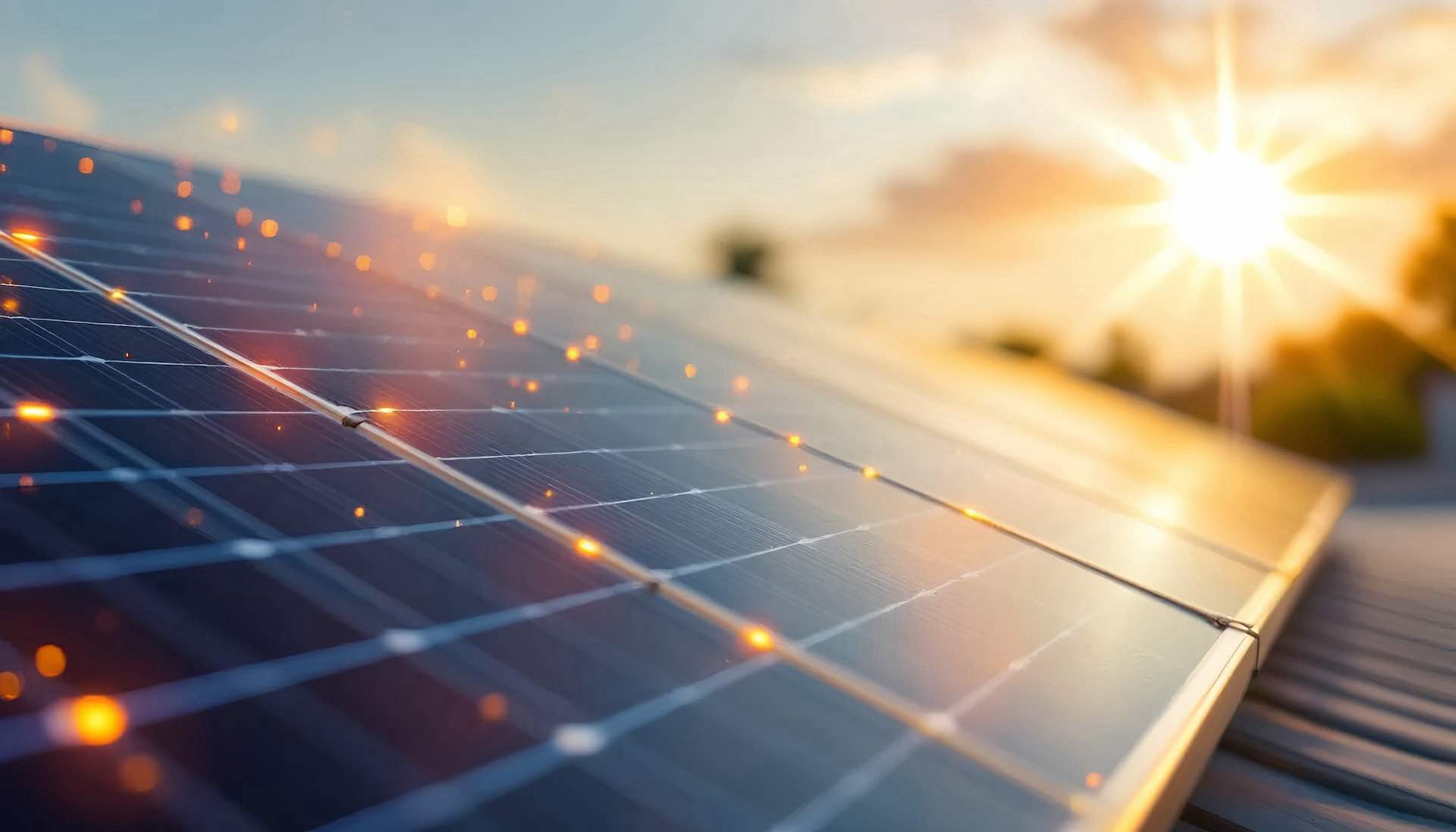
Understanding solar energy and solar panels is essential for harnessing renewable energy effectively, as photovoltaic cells convert sunlight into solar power.
Solar energy represents one of the most abundant and accessible renewable energy sources available today. As solar panels become increasingly popular, understanding how these systems convert sunlight into usable electricity helps homeowners and businesses make informed decisions. Photovoltaic cells within solar power systems harness the sun’s energy through remarkable technology that’s both elegant and efficient.
Understanding Solar Energy Fundamentals
Solar energy originates from nuclear fusion reactions occurring within the sun’s core. This process releases electromagnetic radiation that travels through space to reach Earth’s surface. Solar energy arrives as light particles called photons, which carry the power needed to generate electricity through specialized technology.
The Science Behind Sunlight as Energy
Sunlight contains enormous solar energy potential. Every hour, enough solar radiation reaches Earth to power the entire planet for a year. This makes solar energy an inexhaustible resource compared to fossil fuels. The electromagnetic spectrum of sunlight includes visible light, infrared radiation, and ultraviolet rays, all containing energy that photovoltaic technology can capture.
Why Solar Energy Matters Today
Rising electricity costs and environmental concerns drive the shift toward clean energy solutions. Solar technology offers a practical answer to both challenges. By converting sunlight directly into electricity, solar systems reduce reliance on traditional power grids and eliminate carbon emissions during operation. This renewable approach supports energy independence while addressing climate change.
How Photovoltaic Cells Generate Electricity
Photovoltaic cells form the heart of solar panel technology. These semiconductor devices transform light energy directly into electrical current through a fascinating physical process. Understanding this conversion helps explain why solar panels continue improving in efficiency and affordability.
The Photovoltaic Effect Explained
The photovoltaic effect occurs when photons strike semiconductor material and knock electrons loose from their atoms. This creates an electrical current as freed electrons flow through the material. French physicist Edmond Becquerel discovered this phenomenon in 1839, laying the groundwork for modern solar panels. When photons hit the solar cell surface, they transfer energy to electrons in the semiconductor material. If the photon carries enough energy, it breaks the electron free from its atomic bond. This creates an electron-hole pair within the material. Photovoltaic cells use this effect to generate clean electricity continuously.
Silicon Wafers and Solar Cell Construction
Most solar cells use crystalline silicon as their semiconductor material. Silicon works well because it’s abundant, stable, and has ideal electronic properties. Manufacturers create thin wafers from silicon ingots, then treat them with other elements to create positive and negative layers. These layers form an electric field within the cell. The manufacturing process involves careful doping of silicon with elements like phosphorus and boron. This creates an n-type layer with extra electrons and a p-type layer with electron deficiencies. Where these layers meet forms the p-n junction, which is critical for photovoltaic cells to generate electricity efficiently.
From Photons to Electrons: The Conversion Process
Here’s what happens when sunlight strikes a solar cell. Photons penetrate the cell’s surface and release electrons in the n-type layer. The electric field at the p-n junction pushes these free electrons toward metal contacts on the cell’s surface. This creates a flow of direct current electricity. Metal gridlines on the cell’s front surface collect the electrons and channel them into wires. The process continues as long as light strikes the cell, creating a steady flow of electrical current. Multiple cells connected together generate enough power for practical applications.
Solar Panel Components and Structure
Solar panels consist of multiple layers working together to capture sunlight and protect the delicate photovoltaic cells. Each component plays a specific role in ensuring efficient, long-lasting performance. Modern solar panels combine advanced materials with proven engineering principles.
Monocrystalline vs Polycrystalline Panels
Monocrystalline panels use silicon from a single crystal structure. They appear dark black and offer the highest efficiency rates, typically above 22%. These panels perform better in low-light conditions and require less space for the same power output. Polycrystalline panels use silicon from multiple crystal fragments melted together. They have a distinctive blue color and slightly lower efficiency around 18-20%. However, they cost less to manufacture, making them a budget-friendly option. Both types last 25 years or more with minimal maintenance.
Protective Glass and Frame Materials
Tempered glass covers the front of solar panels to protect photovoltaic cells from weather and physical damage. This glass allows maximum light transmission while resisting impact from hail and debris. Anti-reflective coating on the glass surface helps capture more sunlight. Aluminum frames surround the panel edges, providing structural support and mounting points. The frames protect panel edges and allow secure installation on various surfaces. Quality frames resist corrosion and maintain integrity through decades of exposure to outdoor conditions.
Junction Box and Electrical Connections
A junction box on the panel’s back houses electrical connections and bypass diodes. These diodes prevent power loss when individual cells are shaded. The box protects wiring from moisture and provides connection points for linking multiple panels. Modern panels use MC4 connectors for quick, reliable connections. These waterproof connectors snap together securely and allow easy system expansion. Proper wiring ensures safe electricity flow from panels to other system components.
Complete Solar Energy System Components
A functional solar energy installation requires more than just panels. Several components work together to convert, store, and manage solar energy electricity for practical use in homes and businesses. Understanding complete solar energy systems helps maximize investment returns.
Solar Inverters: DC to AC Conversion
Solar panels produce direct current electricity, but homes and businesses use alternating current. Inverters bridge this gap by converting DC to AC power. String inverters handle multiple solar panels connected in series, while microinverters attach to individual panels for optimized performance. Modern inverters include monitoring capabilities and grid-tie functions. They adjust voltage and frequency to match utility standards. Smart inverters can even support grid stability by providing reactive power and voltage regulation. Inverter efficiency typically exceeds 95%, minimizing energy losses during conversion.
Mounting Structures and Racking Systems
Mounting systems secure panels to roofs or ground locations at optimal angles. Roof mounts use flashing and attachments that penetrate roofing material without causing leaks. Ground mounts use concrete footings or driven piles to create stable foundations. The mounting angle affects energy production significantly. In the northern hemisphere, south-facing installations capture maximum sunlight. Tilt angles typically match the site’s latitude for year-round optimization. Adjustable mounts allow seasonal angle changes for even better performance.
Battery Storage Integration Options
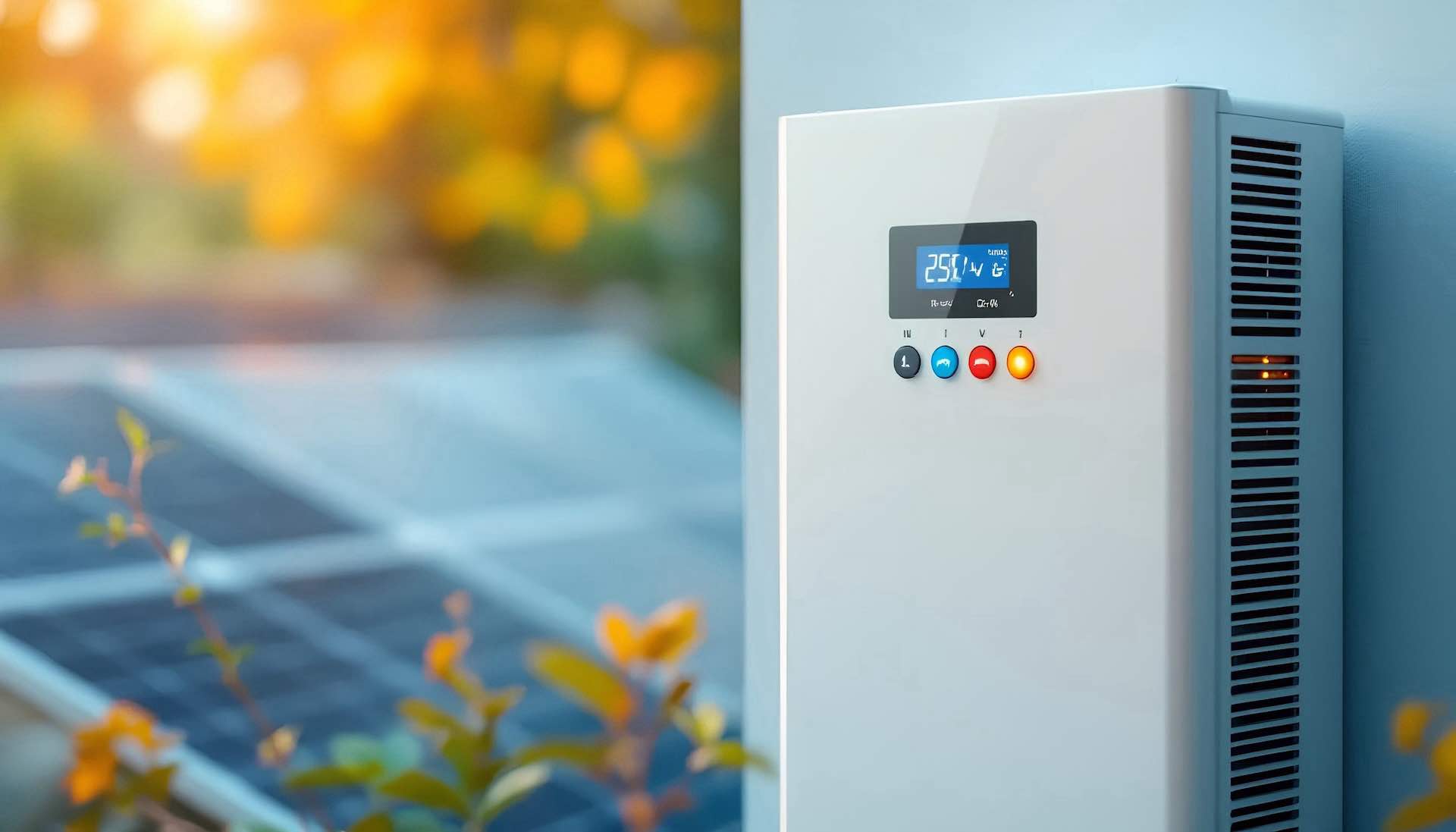
Battery systems store excess solar energy for use during nighttime or cloudy periods. Lithium-ion batteries dominate residential applications due to their high energy density and long cycle life. These systems provide backup power during grid outages and maximize self-consumption of solar energy electricity. Battery capacity is measured in kilowatt-hours. A typical home might need 10-15 kWh of storage for evening use. Battery management systems monitor charge levels, temperature, and health to optimize performance and longevity. Integration with solar energysystems requires compatible inverters and control systems.
Monitoring and Management Systems
Monitoring platforms track solar production, consumption, and system health in real time. These systems use internet connectivity to send data to smartphones or computers. You’ll see exactly how much electricity your panels generate and where that energy goes. Advanced systems detect performance issues before they become serious problems. They alert you to panel shading, inverter faults, or unusual consumption patterns. This data helps optimize energy use and ensures your investment performs as expected. Some systems integrate with home automation for intelligent energy management.
Types of Solar Panel Installations
Solar technology adapts to various settings and scales. From small residential systems to massive utility projects, the fundamental technology remains similar while application methods differ significantly.
Residential Rooftop Systems
Rooftop installations are the most common residential application. These systems typically range from 5 to 10 kilowatts, producing enough electricity to power an average home. Installers assess roof condition, orientation, and shading before designing the system. South-facing roofs with minimal shade produce the most energy. However, east and west-facing installations still provide substantial benefits. Roof pitch affects installation complexity and cost, though most residential roofs work well for solar panels. Modern solar panels blend aesthetically with roofing materials and may even increase property values.
Ground-Mounted Solar Arrays
Ground installations suit properties with ample yard space or unsuitable roofs. These systems mount on metal frames anchored to the ground with concrete footings or driven posts. Ground mounts offer advantages including easier maintenance access and optimal angle adjustment. You can position panels away from shade and orient them perfectly for maximum production. Some systems use tracking mounts that follow the sun’s movement throughout the day, increasing energy capture by 25-35%. Ground arrays work particularly well for rural properties, farms, and businesses with land available.
Commercial and Industrial Applications
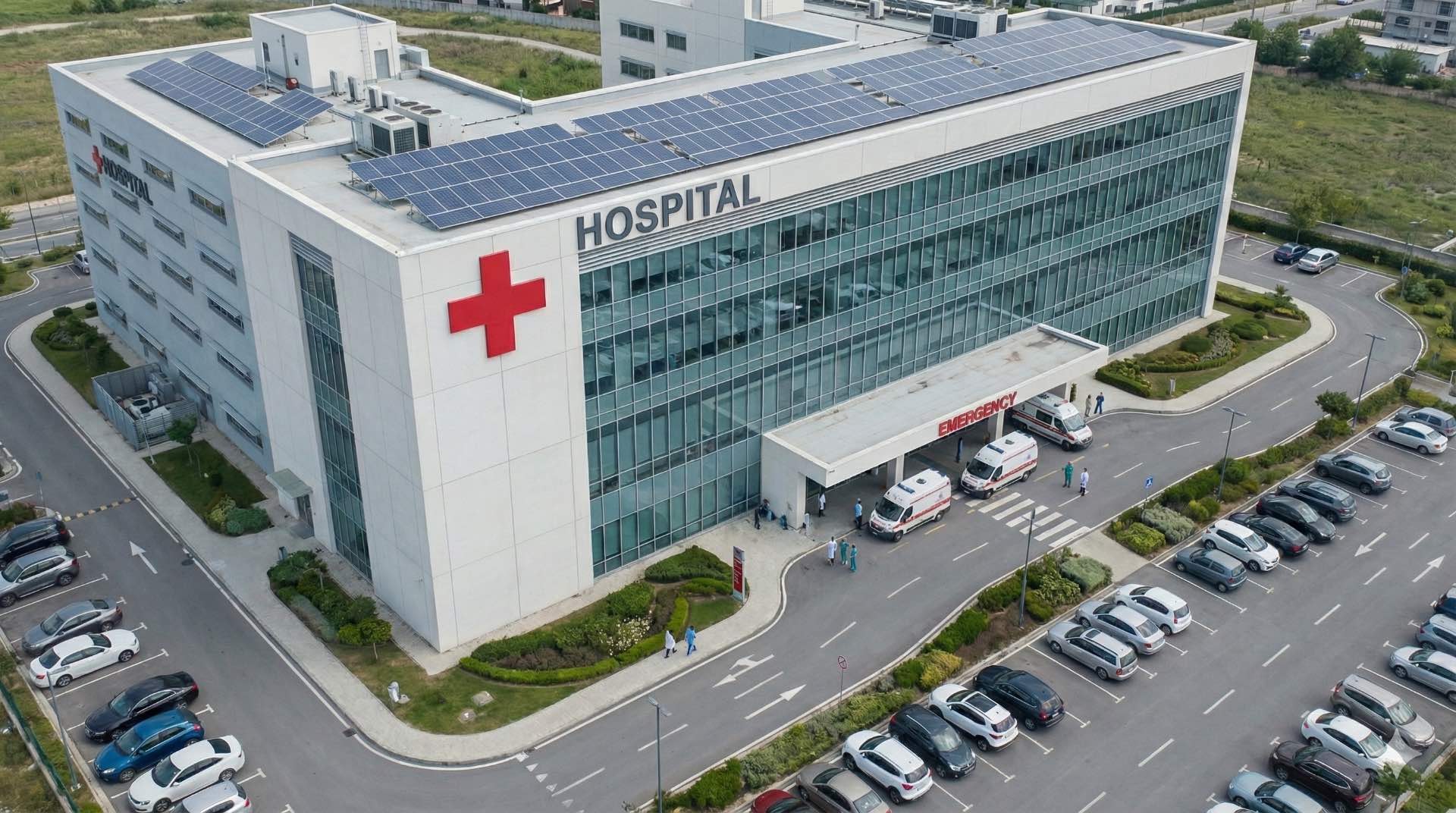
Commercial installations scale up to meet higher energy demands. Warehouses, factories, and office buildings often feature large rooftop arrays or ground systems. These installations range from 50 kilowatts to several megawatts in capacity. Businesses benefit from reduced operating costs and demonstrate environmental responsibility. Tax incentives and accelerated depreciation improve financial returns for commercial projects. Some companies use power purchase agreements where third parties install systems and sell electricity at fixed rates.
Utility-Scale Solar Farms
Solar farms generate electricity for utility companies to distribute through the power grid. These installations cover hundreds of acres and produce 50 megawatts or more. Utility-scale projects achieve economies of scale that reduce costs below residential pricing. Large solar farms often include tracking systems and advanced monitoring technology. They connect directly to high-voltage transmission lines and provide clean energy to thousands of homes. These facilities demonstrate solar power’s ability to replace traditional fossil fuel generation at scale.
Solar Energy Production Process
Solar energy electricity generation follows predictable patterns based on sunlight availability. Understanding these patterns helps set realistic expectations for system performance and energy independence. Solar energy production varies throughout the day and year based on sun position.
Daily Energy Generation Cycle
Solar panels begin producing electricity at sunrise as photons strike photovoltaic cells. Production increases steadily through morning as the sun rises higher and light intensity grows stronger. Peak production occurs around solar noon when the sun reaches its highest point and light strikes panels most directly. Production gradually decreases through afternoon and stops at sunset. The daily generation curve resembles a bell shape. Morning and evening production is lower than midday, even on clear days. This pattern remains consistent, though total daily output varies with season and weather conditions.
Seasonal Variations and Output
Summer months produce the most solar energy due to longer days and higher sun angles. Panels receive more direct sunlight for extended periods. Winter production decreases with shorter days and lower sun angles, though systems still generate substantial solar energy. Geographic location dramatically affects seasonal variation. Northern locations see greater differences between summer and winter production. Southern regions maintain more consistent output year-round. System designers account for these patterns when sizing installations to meet annual energy needs.
Weather Impact on Performance
Clear skies allow maximum solar production. However, solar panels still generate electricity on cloudy days, producing 10-25% of their rated capacity depending on cloud thickness. Light clouds diffuse sunlight rather than blocking it completely. Rain actually benefits solar panels by washing dust and debris from panel surfaces. Clean panels absorb more light and produce more electricity. Snow can temporarily block production, but solar panels often shed snow quickly due to their smooth surface and generated heat. Temperature affects panel efficiency. Panels perform better in cool, sunny conditions than extremely hot weather. High temperatures slightly reduce voltage output, though this effect is relatively minor compared to light availability.
Benefits of Solar Energy Systems
Solar energy installations provide advantages extending beyond simple electricity generation. These solar energysystems offer environmental, economic, and practical benefits that compound over decades of operation.
Environmental Impact and Carbon Reduction
Solar electricity produces zero emissions during operation. A typical residential system offsets 3-4 tons of carbon dioxide annually, equivalent to planting 100 trees each year. Over a 25-year lifespan, one system prevents 75-100 tons of CO2 emissions. Manufacturing solar panels does require energy, but systems repay this energy debt within 1-2 years of operation. The remaining 23-24 years provide truly clean energy with no environmental cost. This favorable energy return on investment makes solar panels one of the cleanest electricity sources available. Solar adoption reduces air pollution by displacing fossil fuel generation. This improves local air quality and public health outcomes. As solar capacity grows globally, it plays an increasingly important role in addressing climate change.
Energy Independence and Grid Reliability
Solar systems reduce reliance on utility companies and fossil fuel imports. Homeowners generate their own electricity rather than purchasing it entirely from the grid. This provides protection against rising electricity rates and power supply disruptions. Battery-equipped systems offer backup power during grid outages. Critical loads like refrigerators, lights, and medical equipment continue operating when traditional power fails. This resilience proves especially valuable in areas with unreliable grid infrastructure or frequent weather-related outages. On a national level, distributed solar generation improves grid stability. Rooftop solar reduces transmission losses and strain on distribution systems. Solar capacity helps meet peak afternoon demand when air conditioning loads are highest.
Long-Term Cost Savings
Solar panels typically pay for themselves within 5-8 years through electricity savings. After this payback period, systems generate essentially free electricity for 15-20 additional years. Lifetime savings commonly reach $30,000 to $120,000 depending on system size and local electricity rates. The 30% federal tax credit significantly reduces upfront costs. Many states and utilities offer additional incentives including rebates, performance payments, and net metering programs. These financial benefits improve return on investment and shorten payback periods. Solar panels installations increase property values. Studies show homes with solar panels sell faster and for premium prices compared to similar homes without solar. Buyers value the prospect of lower electricity bills and environmental benefits.
Solar Panel Efficiency and Performance
Solar panels efficiency determines how much sunlight converts to electricity. Understanding efficiency ratings and performance factors helps evaluate different solar panels products and set realistic expectations.
Efficiency Ratings Explained
Solar panel efficiency measures the percentage of sunlight converted to electricity. Modern residential panels achieve 18-22% efficiency, meaning they convert roughly one-fifth of incident sunlight into electrical energy. While this might seem low, it’s actually quite remarkable given the challenges of energy conversion. Higher efficiency panels produce more electricity from the same surface area. This matters most when roof space is limited. A 400-watt high-efficiency panel occupies less space than multiple lower-efficiency panels producing equivalent power. However, efficiency isn’t everything. Cost per watt and total system cost matter more than efficiency alone for most installations. Sometimes lower-efficiency panels make better financial sense when roof space isn’t constrained.
Factors Affecting Energy Output
Panel orientation significantly impacts production. South-facing panels generate the most energy in northern hemisphere locations. Deviations of 45 degrees east or west reduce output by roughly 10-15%. Tilt angle affects seasonal performance and annual energy production. Shading dramatically reduces solar output. Even partial shade on one panel can impact an entire string’s performance in traditional systems. Trees, chimneys, and nearby buildings create shading that varies throughout the day and seasons. Site assessment identifies potential shading issues before installation. Temperature affects performance inversely. Panels lose about 0.5% efficiency for each degree Celsius above 25°C. Paradoxically, cool sunny winter days often produce better performance than hot summer days, though total energy production still favors summer due to longer days.
System Degradation Over Time
Solar panels slowly lose efficiency over their operational lifetime. Quality solar panels degrade at roughly 0.5% per year, meaning they still produce 87-90% of original output after 25 years. Manufacturers typically guarantee 80-85% output after 25 years. This predictable degradation allows accurate long-term performance projections. Solar panels often continue producing electricity well beyond their warranty period. Many installations from the 1980s still operate today, demonstrating solar technology’s longevity. Regular maintenance minimizes degradation. Keeping panels clean and ensuring all electrical connections remain tight maintains optimal performance. However, solar systems generally require minimal maintenance compared to other electricity generation technologies.
The future of solar energy continues brightening as technology advances and costs decline. Solar panels transform how we generate electricity, offering clean, reliable renewable energy from an inexhaustible source. Understanding how photovoltaic cells convert sunlight into solar power helps you appreciate this remarkable technology and make informed decisions about adopting solar for your home or business.