
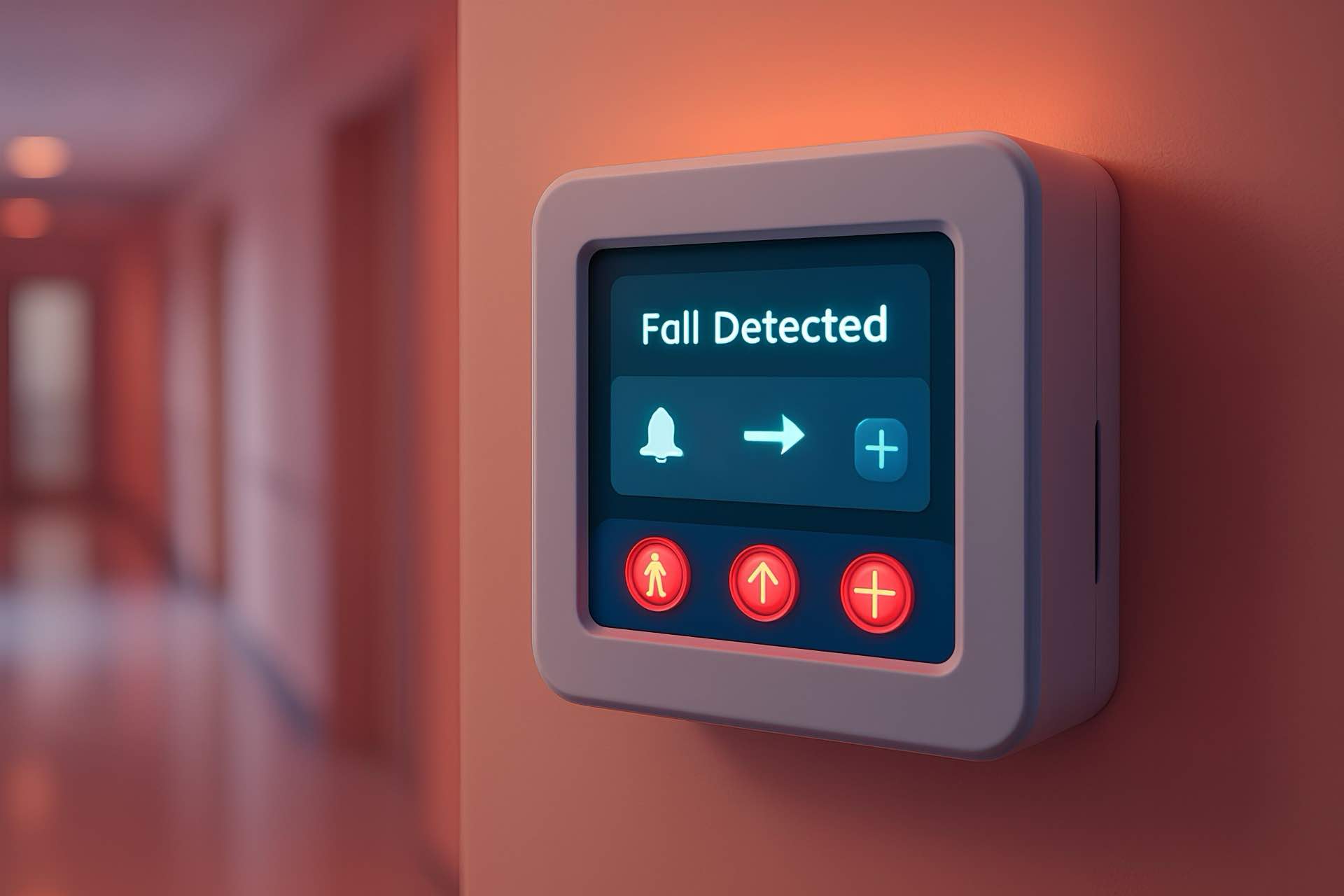
Fall detection technology enhances nurse call systems by automatically identifying falls, instantly alerting staff to prevent injuries in healthcare facilities.
Healthcare facilities face constant challenges keeping patients safe, especially those at high risk of falling. Traditional nurse call systems required patients to manually press a button when they needed help. But here’s the thing: someone who’s fallen can’t always reach that button. That’s where fall detection sensors change everything. These intelligent systems automatically identify when someone has fallen or is attempting unsafe movements, sending instant alerts to healthcare staff before situations get worse. Modern sensor technology doesn’t just react to emergencies anymore. It actually predicts and prevents them, making patient safety the top priority in hospitals and care facilities.
The Role of Fall Detection in Modern Healthcare
Fall detection has become essential for protecting vulnerable patients in medical settings. You’ll find these systems now standard in most progressive healthcare facilities. They’re not optional extras anymore. The shift from manual alert systems to automated monitoring represents a fundamental change in how we approach patient safety.
Evolution from Manual to Automated Detection
Healthcare communication used to depend entirely on patients calling for help. Manual button-based systems had obvious limitations. Patients experiencing sudden falls often couldn’t reach their call buttons. Some were unconscious or disoriented after falling. Others had cognitive impairments preventing them from using the system properly. Automated fall detection eliminates these problems entirely. Sensors monitor patient movements continuously without requiring any action from the patient. This evolution has saved countless lives by ensuring help arrives even when patients can’t ask for it.
Understanding Fall Detection Technology
Modern sensor technology uses multiple methods to identify falls accurately. These systems have become remarkably sophisticated over recent years. They combine various detection methods to minimize false alarms while catching real emergencies.
How Sensors Work in Healthcare Settings
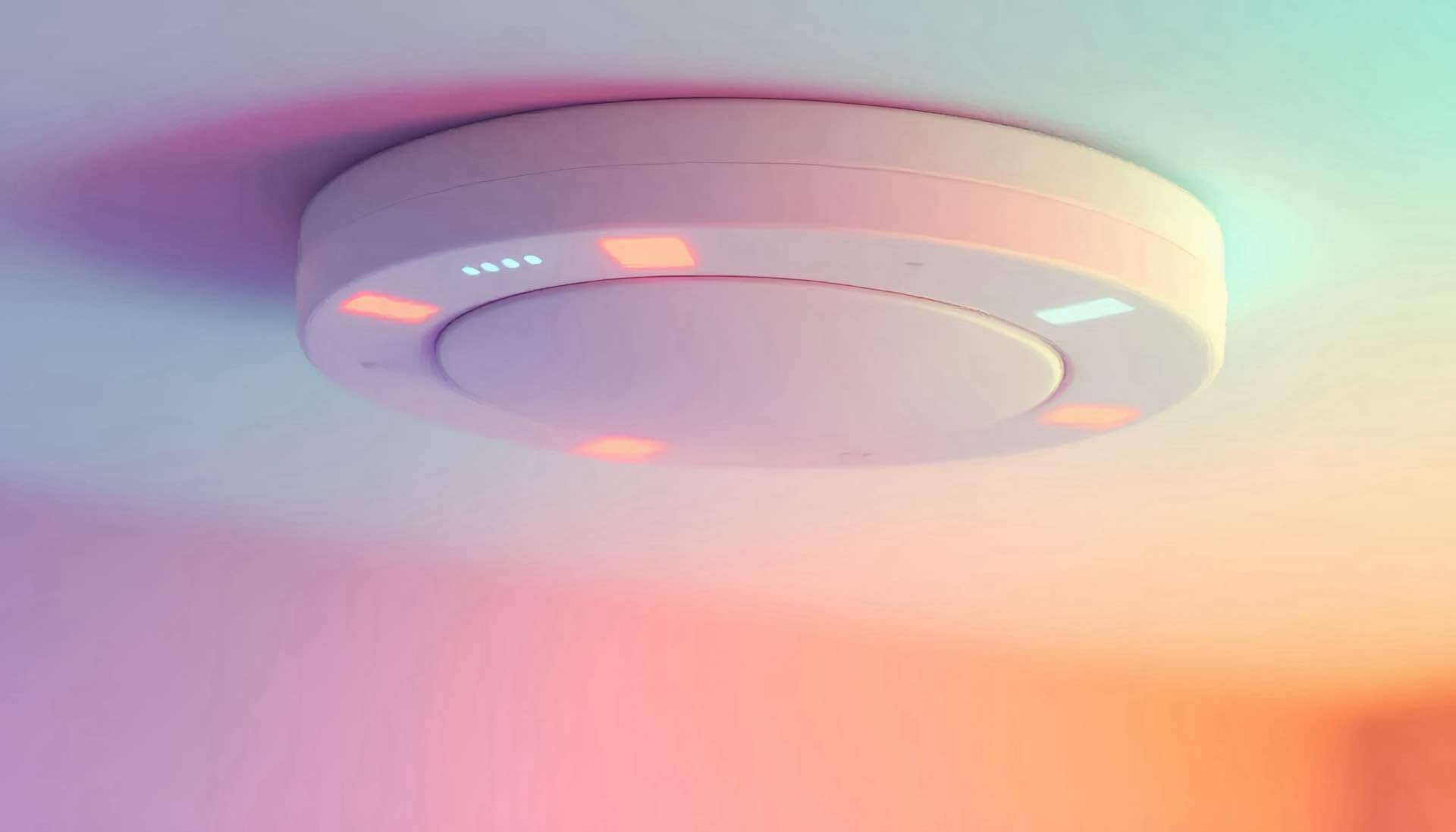
Fall detection sensors analyze movement patterns in real time. They track changes in position, velocity, and impact force. When someone falls, these parameters change dramatically compared to normal movements. The sensors detect these abnormal patterns and trigger alerts immediately. Most systems use ceiling-mounted or wall-mounted sensors covering entire rooms. Some facilities also use wearable devices for patients who move between different areas. The sensor technology works silently in the background, constantly monitoring without intrusive cameras or privacy concerns.
Types of Sensor Technology Used
Several types of sensors power modern fall detection systems. Infrared sensors detect heat signatures and movement patterns. Pressure-sensitive floor mats identify sudden impacts. Accelerometers in wearable devices measure motion changes. Depth-sensing cameras create 3D maps of patient positions. AI-powered video analytics recognize fall events without recording identifiable footage. Each technology offers unique advantages. Many facilities combine multiple sensor types for comprehensive coverage. This multi-layered approach ensures falls get detected regardless of how or where they occur.
Integration with Nurse Call Systems
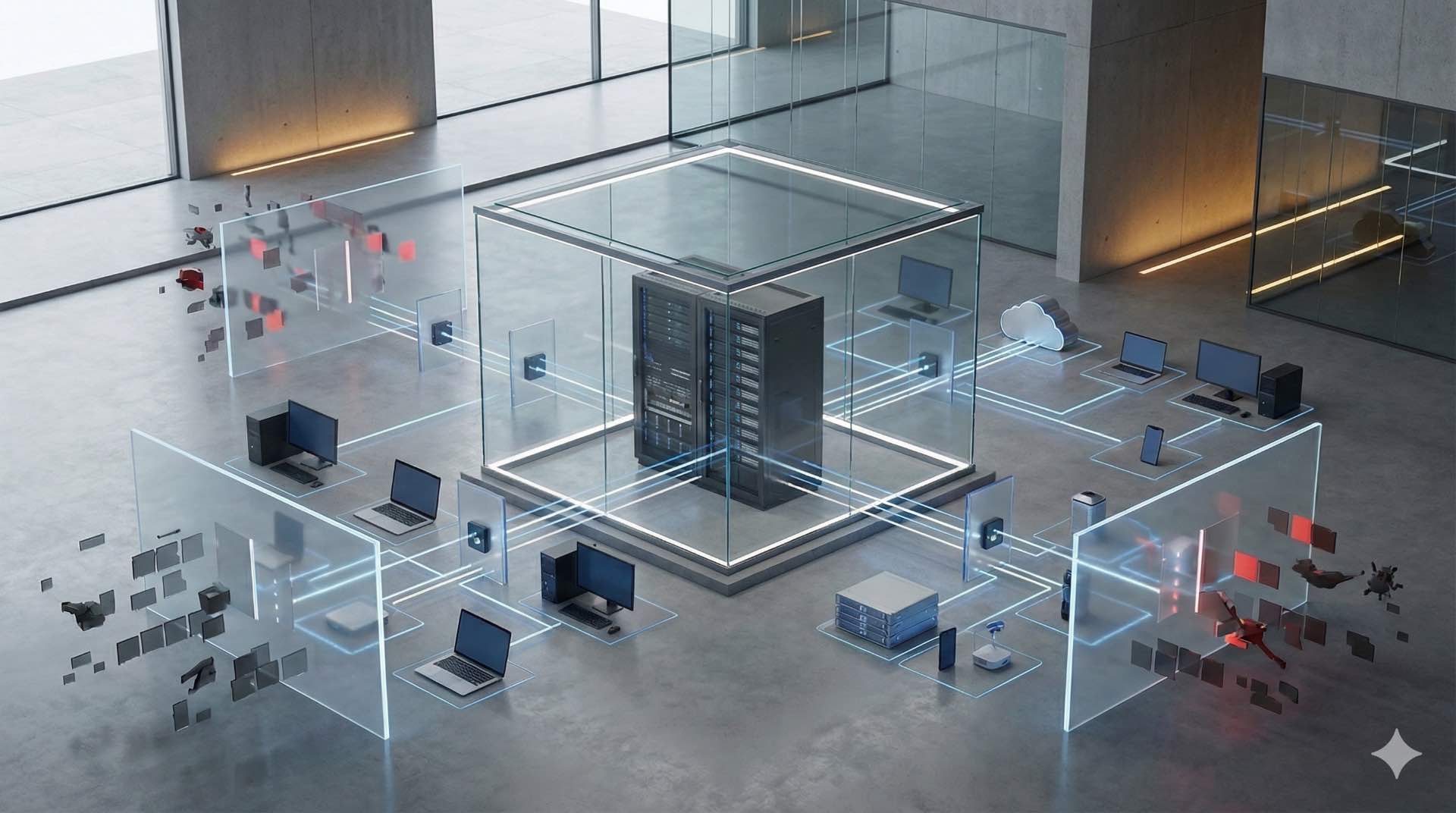
Fall detection sensors work best when fully integrated with existing nurse call infrastructure. Standalone systems create information silos that slow response times. Proper integration ensures alerts reach the right people instantly through familiar communication channels.
Seamless Communication Between Sensors and Staff
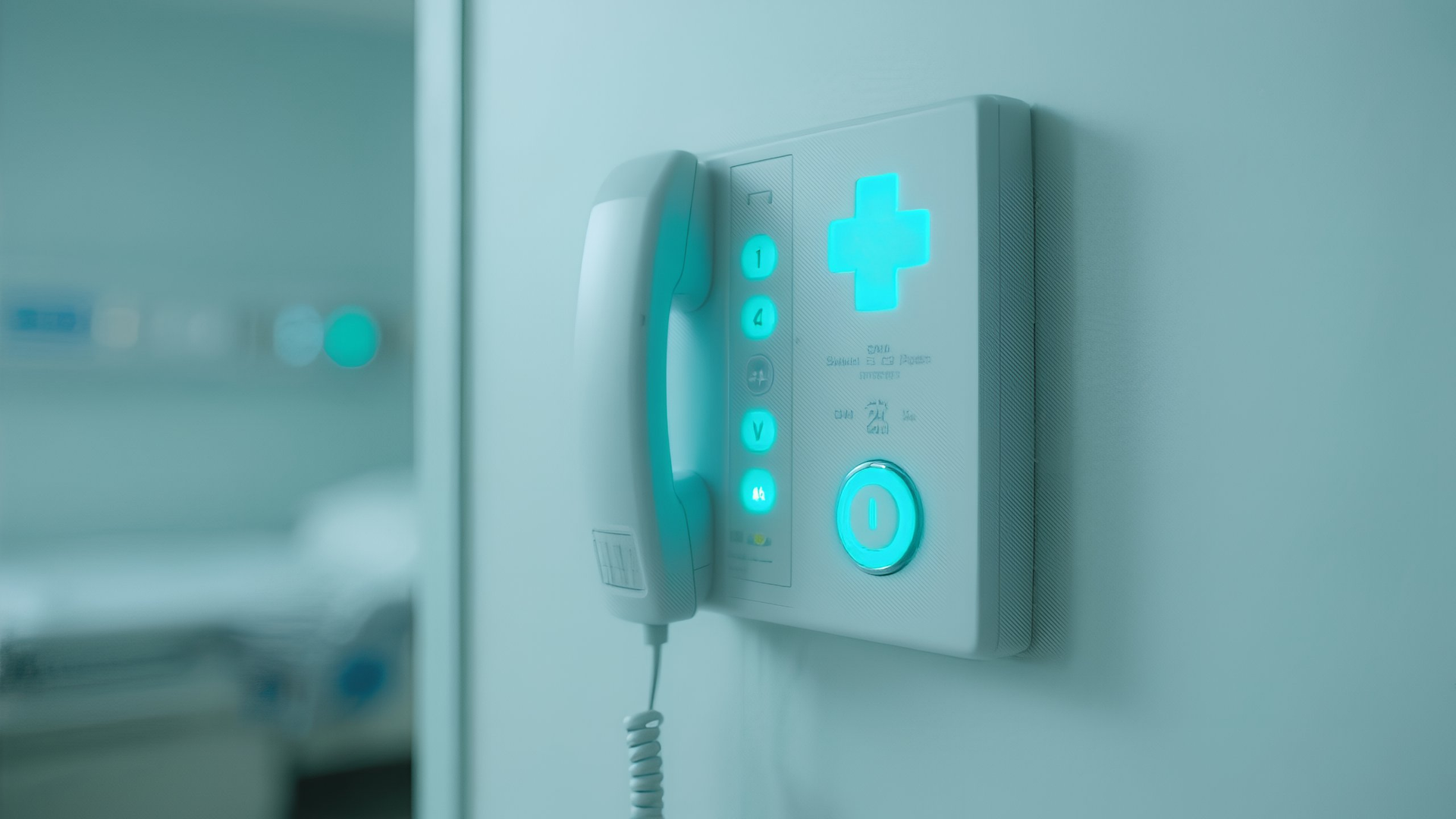
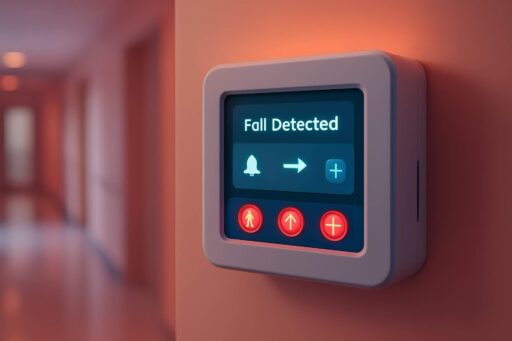
When sensors detect a fall, the nurse call system immediately routes alerts to appropriate staff members. Mobile devices receive push notifications with room numbers and fall severity levels. Digital displays at nursing stations highlight affected rooms. Wireless badges vibrate and beep to get attention. This multi-channel approach ensures no alert goes unnoticed. Staff can acknowledge alerts and communicate their response status through the same system. Real-time updates keep everyone informed about who’s responding and when help will arrive.
Real-Time Alert Mechanisms
Speed matters during fall emergencies. Every second counts when someone’s injured. Modern sensor technology transmits alerts within milliseconds of detecting a fall. The nurse call system prioritizes these critical alerts above routine requests. Visual and audible indicators distinguish fall alerts from standard calls. Some systems even indicate fall severity based on impact force and patient immobility duration. This information helps staff prepare appropriate responses before reaching the patient’s location.
Patient Safety Benefits
Implementing fall detection technology delivers measurable improvements in patient safety outcomes. The benefits extend beyond just catching falls after they happen. These systems fundamentally change how facilities approach fall prevention and management.
Reducing Fall-Related Injuries
Falls cause serious injuries including fractures, head trauma, and internal bleeding. Quick response dramatically reduces injury severity. When staff arrive within minutes instead of hours, patients receive immediate medical attention. This rapid intervention prevents complications like prolonged immobility or untreated wounds. Studies show facilities with automated fall detection report 30-40% fewer fall-related injuries. The technology particularly benefits patients who can’t call for help themselves.
Faster Response Times for High-Risk Patients
Elderly patients and those with mobility issues face elevated fall risks. Traditional nurse call systems left these vulnerable individuals without protection between nurse rounds. Automated sensor technology provides continuous monitoring without staff presence. Response times drop from several minutes to under 60 seconds in many cases. This speed proves critical for patients with conditions like osteoporosis where quick medical intervention prevents severe complications. Families appreciate the added security knowing their loved ones have constant protection.
Impact on Elderly Care Facilities
Nursing homes and assisted living facilities benefit tremendously from fall detection integration. These environments house the most vulnerable populations where falls can have devastating consequences. The technology addresses unique challenges these facilities face daily.
Monitoring Patients with Dementia
Patients with dementia often wander and attempt unsafe movements. They may not remember how to use call buttons or recognize they need help. Fall detection sensors provide essential safety nets for these individuals. The systems track movement patterns and identify behavior changes indicating increased fall risk. Staff receive alerts before falls occur, allowing preventive interventions. This proactive approach maintains patient dignity while ensuring safety.
Supporting Independent Living
Residents value their independence and privacy. Traditional monitoring methods felt intrusive and restrictive. Modern sensor technology operates unobtrusively, allowing residents to move freely. They don’t need to wear devices or remember procedures. The system simply works in the background, intervening only when necessary. This balance between safety and independence improves quality of life while reducing fall-related complications.
AI and Predictive Analytics
Artificial intelligence elevates fall detection from reactive to predictive. Machine learning algorithms analyze vast amounts of movement data to identify patterns humans might miss. This capability represents the future of patient safety technology.
Machine Learning for Movement Analysis
AI systems learn what normal movement looks like for each patient. They establish baseline patterns including walking speed, balance, and typical daily activities. The algorithms detect subtle changes indicating increased fall risk before actual falls occur. Shuffling gaits, reduced mobility, or hesitant movements trigger preventive alerts. Staff can intervene with mobility aids or increased supervision based on these early warnings.
Preventing Falls Before They Happen
Predictive sensor technology shifts focus from responding to falls toward preventing them entirely. The system analyzes factors like medication changes, illness, or fatigue affecting patient stability. Risk scores update in real time based on multiple data points. High-risk patients receive closer monitoring automatically. This proactive approach reduces fall incidents by addressing risk factors before they cause accidents. Facilities report 25-35% decreases in total fall events after implementing AI-powered systems.
Clinical Workflow Optimization
Fall detection integration improves overall healthcare operations beyond just safety benefits. These systems streamline communication and reduce inefficiencies that plague traditional workflows. Staff can focus on patient care instead of constant manual monitoring.
Reducing False Alarms
Early fall detection systems suffered from high false alarm rates. Staff became desensitized to constant unnecessary alerts. Modern AI-powered systems dramatically reduce false positives through intelligent pattern recognition. The technology distinguishes between actual falls and normal activities like sitting down quickly. Alarm fatigue decreases when staff trust that alerts indicate genuine emergencies. This reliability ensures rapid response when real falls occur.
Improving Staff Efficiency
Automated monitoring frees nurses from constant room checks. They can allocate time to direct patient care and complex medical tasks. The nurse call system handles routine monitoring automatically. Staff receive alerts only when intervention is needed. This efficiency proves especially valuable during night shifts when fewer staff cover more patients. One nurse can effectively monitor many more patients with automated sensor technology support.
Cost Benefits for Healthcare Facilities
Investing in fall detection technology delivers substantial financial returns. The systems pay for themselves through reduced liability claims, shorter hospital stays, and improved insurance ratings. Administrators recognize these technologies as cost-saving measures rather than expenses.
Reducing Emergency Transfers
Falls often result in emergency room transfers and extended hospital stays. Each transfer costs thousands of dollars and disrupts continuity of care. Preventing falls or catching them early significantly reduces these expensive incidents. Facilities report 30-40% decreases in fall-related transfers after implementing comprehensive fall detection systems. These savings quickly offset initial technology investments.
Supporting Value-Based Care Models
Healthcare reimbursement increasingly ties to quality outcomes rather than service volume. Value-based care rewards facilities for preventing complications like falls. Insurance companies offer better rates to facilities with proven fall prevention programs. Patient safety scores directly impact Medicare reimbursement levels. Facilities with automated fall detection demonstrate measurable safety improvements that translate to higher reimbursements and lower insurance premiums.
Implementation Considerations
Successfully deploying fall detection technology requires careful planning. Facilities must address technical, operational, and training factors. Proper implementation ensures maximum benefit from the investment.
Installation and System Integration
Sensor technology must integrate seamlessly with existing nurse call infrastructure. Compatibility issues cause delays and reduce effectiveness. Facilities should choose systems designed for their specific environment and equipment. Installation typically takes days to weeks depending on facility size. Minimal disruption occurs when installations happen in phases. Network infrastructure may need upgrades to handle increased data transmission from sensors throughout the facility.
Staff Training Requirements
Technology only works when staff understand and trust it. Comprehensive training ensures everyone knows how to respond to alerts properly. Training covers system operation, alert interpretation, and appropriate response protocols. Staff need ongoing practice to maintain proficiency. Mock drills help teams develop efficient response patterns. Buy-in from frontline staff proves critical for successful implementation.
Future of Fall Detection in Nurse Call
Fall detection technology continues evolving rapidly. Emerging innovations promise even greater capabilities and expanded applications. The next generation of systems will further transform patient safety in healthcare settings.
Emerging Technologies and Innovations
New sensor technology includes radar-based detection requiring no cameras or wearables. Ultra-wideband sensors track patient positions with centimeter accuracy. Edge computing processes data locally for faster response times. 5G connectivity enables instant communication between sensors and response systems. Ambient intelligence systems monitor multiple health indicators beyond just falls. These technologies create comprehensive patient monitoring ecosystems.
Wearable Sensors and Mobile Integration
Smartwatches and fitness trackers now include fall detection capabilities. These consumer devices integrate with clinical nurse call systems. Patients wear familiar technology rather than medical-looking devices. Mobile integration extends protection beyond room boundaries to hallways, courtyards, and common areas. Cloud-based platforms aggregate data from multiple sources for holistic patient monitoring. This convergence of consumer and clinical technologies expands fall detection coverage while reducing costs.
Fall detection sensors have become indispensable components of modern nurse call systems, transforming how healthcare facilities protect their most vulnerable patients. The technology automatically identifies falls and unsafe movements, ensuring staff respond within seconds rather than minutes. Benefits extend across all stakeholders: patients receive better patient safety protection, staff work more efficiently, and facilities reduce costs while improving outcomes. Integration with existing nurse call infrastructure creates seamless workflows that enhance rather than disrupt clinical operations. As AI and sensor technology continue advancing, these systems will become even more predictive and proactive, preventing falls before they happen rather than just responding afterward.