
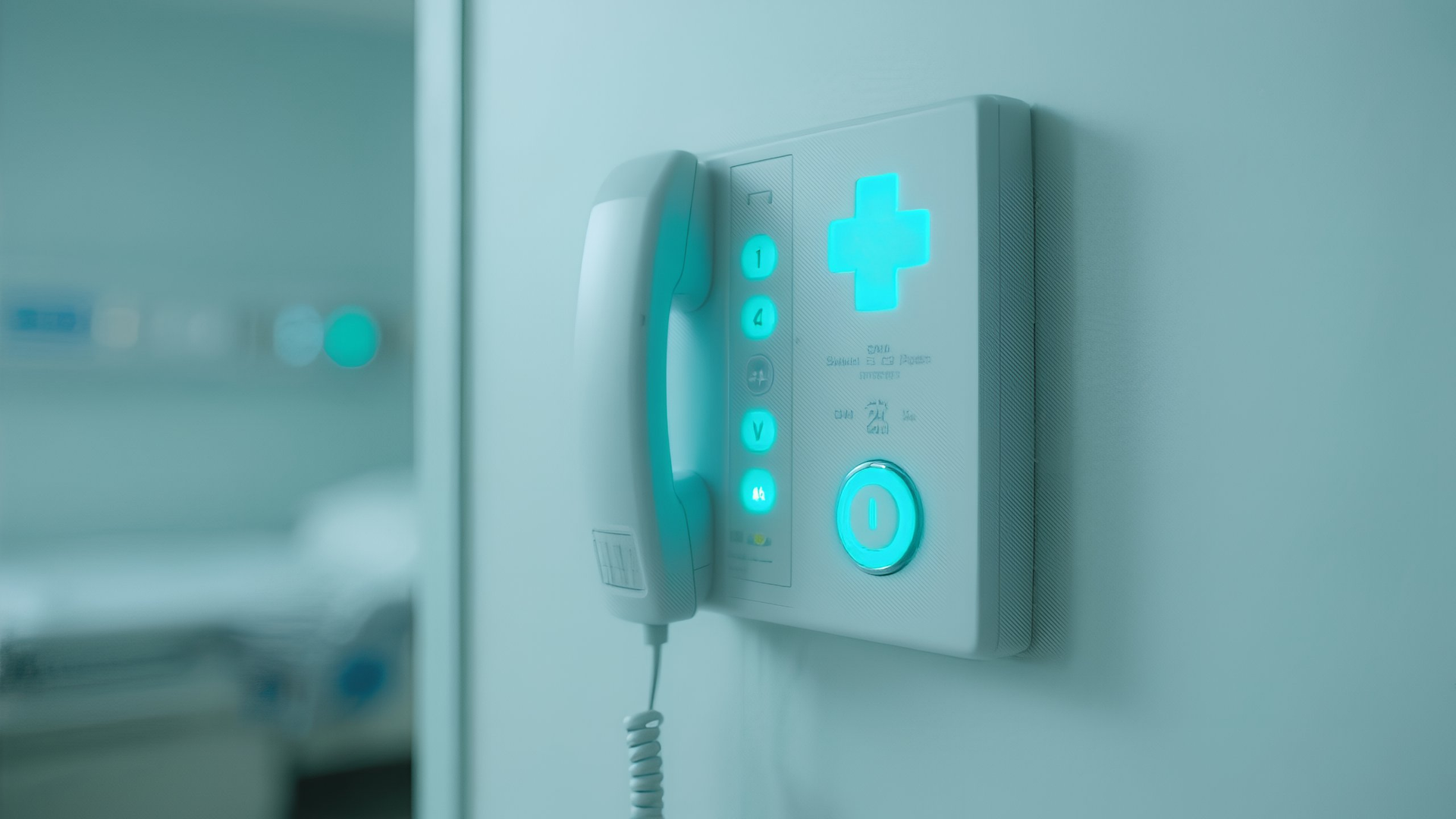
Nurse Call System connect patients with caregivers through wireless communication and healthcare technology for patient monitoring and fast staff response.
Modern healthcare facilities rely on nurse call systems to create instant communication between patients and caregivers. A nurse call system serves as the primary communication lifeline, allowing patients to request assistance whenever needed. These sophisticated healthcare technology platforms have transformed from simple call buttons into intelligent solutions that integrate wireless communication, automated patient monitoring, and coordinated staff response capabilities. Healthcare administrators benefit from understanding how a nurse call system functions when planning infrastructure upgrades or new facility deployments.
Understanding Nurse Call Systems
What Is a Nurse Call System?
A nurse call system provides specialized communication equipment designed specifically for medical environments. Patients use accessible devices to alert nursing staff whenever they need help. These solutions connect to staff notification equipment through either wired networks or wireless protocols. Contemporary implementations extend beyond basic alerting functions. They incorporate patient monitoring sensors, real-time location tracking, and connections to electronic medical records. You’ll encounter these systems across hospitals, nursing homes, assisted living communities, and home healthcare programs.
Evolution from Traditional to Modern Systems
Earlier generations relied on pull cords and hardwired call buttons. Activating these devices triggered simple lights or buzzers at central nursing stations. Staff received minimal context about call urgency or nature. Current platforms harness advanced healthcare technology to deliver rich, contextual alerts. Wireless communication has removed the need for expensive cable installations. Artificial intelligence predicts patient needs before calls happen. Voice controls help patients with restricted mobility. This transformation mirrors healthcare’s digital revolution and increased focus on patient-centered service delivery.
Core Components of Nurse Call System
Patient Station Devices
Patient stations serve as the origination points for all alerts. Bedside call buttons represent the most widely used interface type. Bathroom pull cords offer emergency access in areas with elevated fall risk. Wireless pendants let ambulatory patients request assistance from any location. Voice-activated speakers provide hands-free calling for patients facing physical limitations. Designers build these devices for intuitive use during high-stress moments. Construction prioritizes durability and infection prevention. Contemporary patient stations frequently include two-way audio, enabling staff to evaluate situations remotely before entering rooms.
Staff Communication Equipment
Healthcare professionals receive notifications through multiple device types. Legacy systems relied on overhead paging and hallway lights. Current solutions push alerts directly to smartphones, specialized communication badges, or tablet devices. This wireless method ensures teams get calls no matter where they’re working in the facility. Some settings still favor pagers for their dependability and extended battery performance. Many platforms support priority distribution, routing critical calls to several team members at once. Response speeds increase when notifications display room locations, patient identities, and call categories.
Central Monitoring and Control Panels
Master stations function as operational command centers for activities. These panels show active calls, staff assignments, and overall system health. Administrators configure alert routing, establish priority rankings, and create response reports. Current control systems feature touchscreen displays with user-friendly dashboards. They monitor metrics including average response durations and call frequency patterns. This information helps balance staffing levels and spot emerging problems. Building system integration enables coordinated actions, like unlocking access doors during emergencies or modifying lighting based on room occupancy.
Integration Platforms and Software
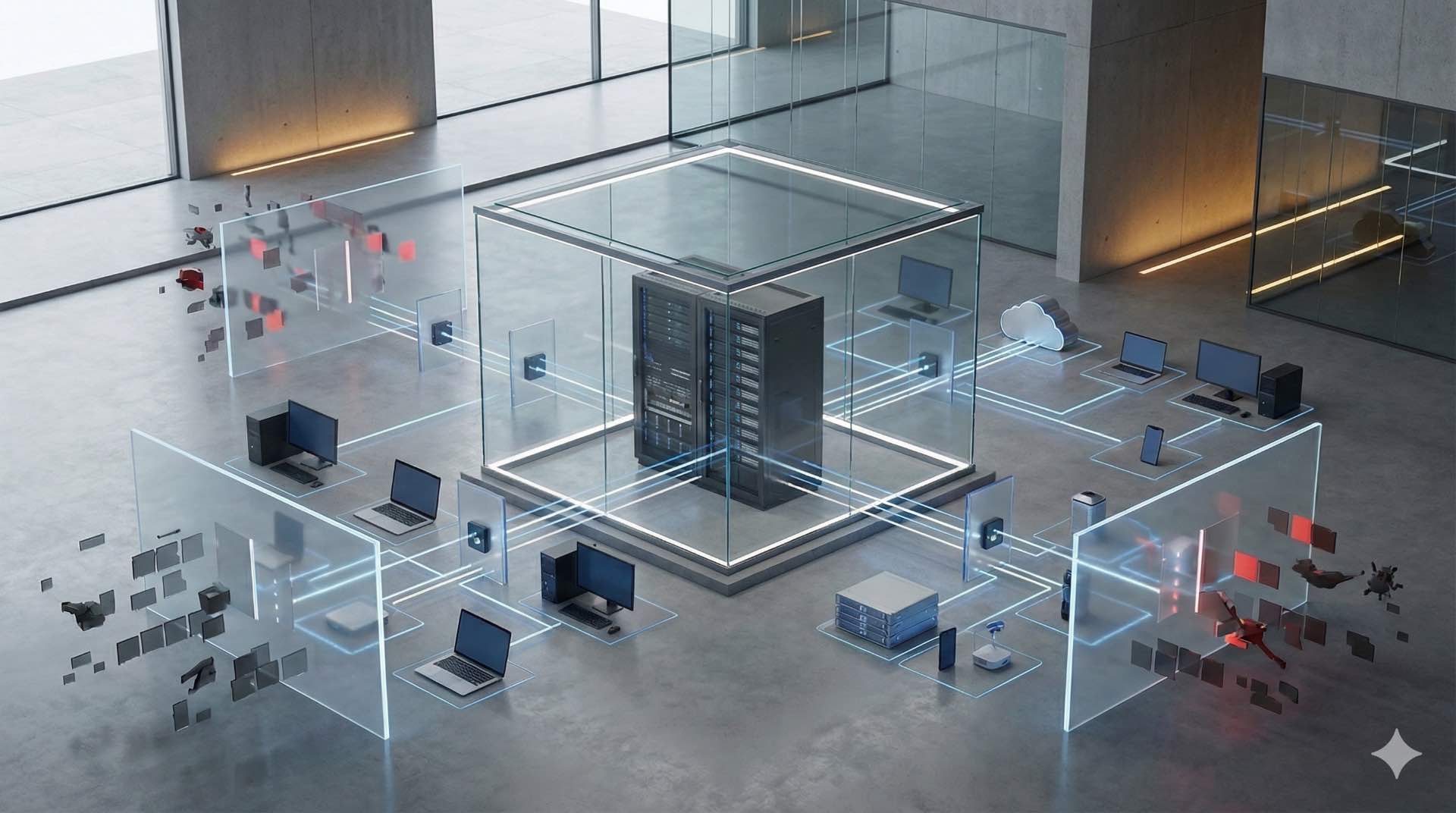
Software platforms connect all system elements together. They handle user databases, define escalation rules, and maintain communication records. Cloud-based designs allow remote management and automatic updates. Application programming interfaces enable connections to other hospital platforms. Analytics modules examine historical information to reveal trends and enhancement opportunities. Mobile applications expand capabilities to personal smartphones. These platforms maintain smooth operation across varied hardware while offering adaptability for future growth.
How Nurse Call Systems Work
Patient Alert Initiation Process
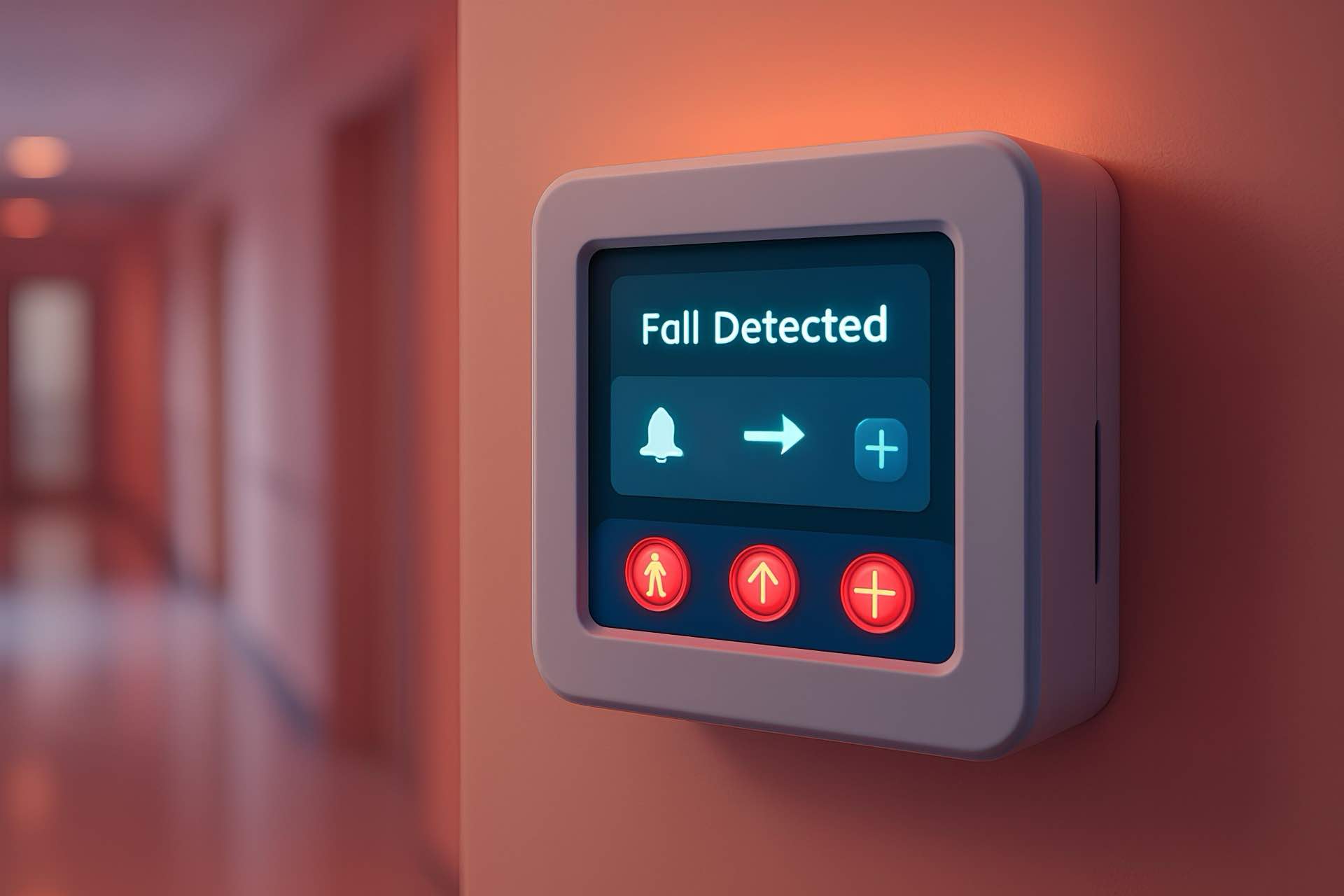
The sequence starts when a patient activates any call device. Pushing a bedside button, pulling a cord, or voicing a command creates the alert. Systems immediately record the call source, time, and patient details. Some platforms generate automatic alerts from connected sensors. Fall detection pads notify caregivers when patients attempt risky movements. Bed exit sensors create calls when high-risk patients leave beds without supervision. This proactive approach prevents problems rather than simply reacting to them.
Signal Transmission and Routing
After initiation, the call signal moves through network infrastructure. Wired configurations use dedicated cabling or existing Ethernet networks. Wireless systems broadcast via Wi-Fi, proprietary radio bands, or cellular networks. Central systems receive signals and implement routing protocols. They identify which staff members should get notifications based on assignments, location, and current availability. Priority logic ensures critical calls reach responders without delay. Lower-priority requests may wait until staff finish current activities.
Staff Notification Methods
Assigned caregivers receive alerts through their preferred devices. Smartphone notifications present patient information and room positions. Communication badges vibrate and display text alerts. Hallway lights activate to provide visual guidance. Different alert sounds distinguish various call types. Staff can confirm receipt while continuing their present task. Two-way audio lets them gauge urgency and offer immediate verbal comfort. Location services help dispatchers find the closest available responder, accelerating delivery.
Response Tracking and Documentation
Platforms automatically capture all call activity for compliance and quality purposes. Timestamps mark when calls started, when staff acknowledged them, and when they arrived at patient locations. Records include response length and resolution status. This information populates performance dashboards and regulatory submissions. Facilities analyze these metrics to find workflow obstacles and enhance operations. Electronic health record connections ensure call histories become part of patient charts. Audit trails support quality programs and help demonstrate regulatory adherence.
Types of Nurse Call System Technologies
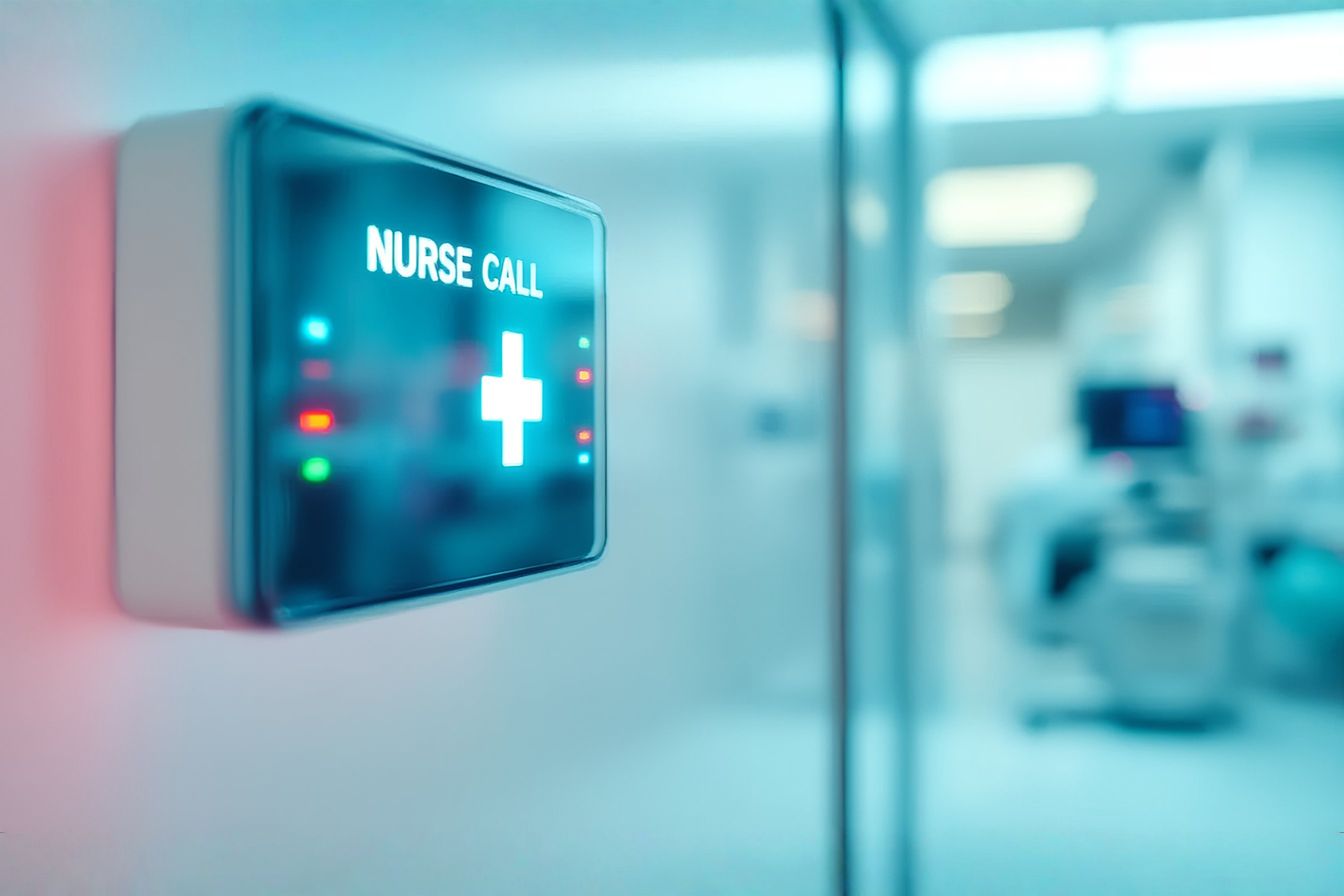
Wired Communication Systems
Traditional hardwired installations continue operating in many established facilities. Dedicated cables link patient stations to central equipment through physical infrastructure. These configurations deliver outstanding reliability and steady performance. They function independently from network traffic or radio interference. Installation demands substantial construction effort and higher initial investment. Changes and additions require supplementary wiring projects. Still, wired systems need little ongoing maintenance after deployment. Numerous facilities keep wired foundations while adding wireless elements for versatility.
Wireless Communication Solutions
Wireless technology has transformed installation. Radio frequency systems remove expensive cable requirements. Wi-Fi-based options utilize current network infrastructure. Battery-operated devices enable flexible room arrangements. Deployment happens rapidly with limited operational disruption. Facilities easily move patient stations as requirements evolve. Wireless pendants grant mobile patients movement freedom throughout approved zones. The technology supports quick expansion when facilities increase bed counts. Contemporary wireless systems reach reliability comparable to wired options through redundancy and quality components.
IP-Based Systems
Internet Protocol systems operate over standard computer networks. They share infrastructure with other hospital information platforms. This convergence lowers equipment expenses and streamlines administration. IP design enables sophisticated features including video calls and multimedia messaging. Remote troubleshooting and software patches occur through network links. These systems blend naturally with electronic health records and other clinical tools. Security protocols protect patient information traveling across networks. IP-based solutions define the current benchmark for new deployments.
Hybrid System Configurations
Numerous facilities deploy hybrid strategies combining several technologies. Core infrastructure might employ wired connections for dependability. Wireless devices expand coverage to locations where cabling proves impractical. IP-based software controls both wired and wireless parts. This versatility accommodates varied building designs and operational demands. Hybrid approaches permit gradual transition from older equipment. Facilities can modernize progressively without discarding functional components. The strategy balances dependability, adaptability, and financial efficiency while protecting future investments.
Key Features of Modern Systems
Mobile Integration and Smartphone Apps
Contemporary platforms leverage smartphones staff members already carry. Specialized apps convert personal devices into receivers. This removes the requirement for separate pagers or communication badges. Staff get comprehensive notifications with patient photographs, medical warnings, and facility maps. They can message colleagues and retrieve patient records within one interface. Mobile apps accommodate BYOD policies. However, organizations must deploy security safeguards protecting patient information on personal phones. App-based options cut hardware expenses while delivering familiar user interactions.
Real-Time Location Services
Location tracking enhances effectiveness. RTLS badges track caregiver positions across the facility. Systems automatically direct calls to the nearest available responder. Managers gain perspective on staff placement throughout departments. Location information helps refine staffing configurations based on actual movement data. Some platforms track equipment positions, helping staff quickly find wheelchairs or monitors. Privacy settings ensure tracking respects staff boundaries during rest periods. The capability cuts response durations by removing the need to manually locate available caregivers.
Voice-Activated Controls
Voice recognition allows hands-free operation for patients with mobility restrictions. Speaking basic commands like “call nurse” generates alerts. This proves particularly beneficial for stroke patients or those with arm injuries. Natural language understanding handles different accents and speech characteristics. Voice systems also aid staff communication, letting nurses record activities without touching devices. Privacy considerations require thoughtful deployment in shared patient rooms. The capability reduces infection risks by limiting contact with frequently touched surfaces.
Predictive Analytics and AI
Artificial intelligence converts reactive systems into proactive solutions. Machine learning examines call patterns and patient actions. They spot patients at elevated risk for falls or quick deterioration. Predictive warnings notify staff before problems develop. AI ranks calls based on patient severity and historical urgency trends. Analytics refine staffing by projecting call volume across shifts. These systems learn steadily, enhancing precision over time. Predictive functions represent the advancing direction of innovation.
Applications Across Healthcare Settings
Hospital Implementation
Acute care hospitals demand thorough communication platforms. Emergency departments require instant responses for critical patients. Intensive care units merge nurse calls with sophisticated monitoring gear. Medical-surgical units distribute call volume across nursing groups. Maternity departments add infant security components. Psychiatric units demand tamper-proof equipment and reinforced security measures. Hospital systems typically serve hundreds of beds with varied requirements. Expandability and connection with hospital information systems remain vital prerequisites.
Nursing Home Deployment
Skilled nursing operations emphasize ongoing resident care. Systems must withstand years of continuous daily usage. Resident rooms need straightforward controls for elderly populations facing cognitive difficulties. Wandering prevention components protect dementia patients. Bathroom pull cords address elevated fall danger in personal care zones. Common spaces require emergency call stations. Staffing shortage factors drive efficiency features helping small teams manage large facilities. Wireless solutions simplify installation in structures not initially designed for current technology.
Assisted Living Facilities
Assisted living settings support more self-sufficient residents. Systems balance safety oversight with resident independence. Wireless pendants permit movement freedom throughout communities. Some residents favor minimal involvement unless emergencies arise. Platforms can expand from fundamental call operations to thorough monitoring as resident requirements shift. Connection with personal emergency response systems extends protection beyond facility limits. The objective involves preserving dignity while guaranteeing safety for aging populations.
Home Healthcare Solutions
Home care brings hospital-grade capabilities into private homes. Portable systems let family caregivers watch elderly relatives. Personal emergency response systems link patients to monitoring centers. Fall detection and medication alerts boost safety for independent living. Telehealth integration permits remote consultations with healthcare practitioners. Systems must remain simple enough for patients to control independently. Home monitoring represents a quickly expanding market segment as healthcare transitions toward value-based approaches emphasizing preventive care.
Benefits of Nurse Call Systems
Improved Patient Safety
Safety enhancements represent the chief reason for system investments. Quicker response durations lower adverse event probability. Automatic fall detection avoids extended periods on floors after incidents. Wandering alerts safeguard dementia patients from dangerous excursions. Emergency calls from bathrooms allow rapid help during high-risk activities. Records prove adherence to safety procedures during accident investigations. Research shows measurable decreases in patient falls and injuries following modern implementations. Better safety directly produces improved patient outcomes and decreased liability exposure.
Enhanced Staff Response Times
Effective communication substantially cuts response delays. Mobile notifications contact staff wherever they’re located. Priority distribution ensures critical calls get immediate focus. Location services guide the nearest available caregiver to each alert. Staff can assess calls remotely, handling basic requests without room visits. Less running between nurses’ stations and patient rooms lowers physical exhaustion. Quicker responses boost patient satisfaction ratings and support quality benchmarks. Facilities commonly observe 20-35% time improvements after replacing outdated systems.
Workflow Optimization
Contemporary systems refine nursing workflows beyond fundamental calling operations. Task management integration helps staff rank activities. Automatic recording cuts paperwork load. Analytics spot inefficient procedures needing attention. Balanced call assignment prevents individual staff overload. Communication capabilities enable rapid colleague consultations. Fewer interruptions permit longer stretches of concentrated patient care. Workflow gains combat burnout by making nursing positions more controllable. This effectiveness helps facilities address persistent staffing challenges.
Better Communication and Coordination
Clear communication stops errors and enhances care coordination. Two-way calling allows immediate patient dialogue. Staff messaging supports quick consultations without leaving patient rooms. Shift transition reports integrate with call history for thorough handoffs. Family members get updates through patient portals linked to system information. Multidisciplinary teams coordinate responses for complex requirements. Enhanced communication builds a more collaborative care setting. These coordination advantages reach beyond emergency responses to support overall care quality.
Integration Capabilities
Electronic Health Records Connection
EHR integration builds thorough patient records. Call logs automatically fill nursing notes. Response time information feeds quality metrics and regulatory submissions. Clinical decision support protocols trigger warnings based on patient status. Voice recording flows directly into medical charts. Nurses retrieve patient details through the same interface getting calls. Single sign-on removes multiple login steps. Smooth integration cuts duplicate recording and guarantees information consistency. This connectivity represents a critical demand for contemporary deployments.
Building Management System Integration
Links with building systems allow coordinated emergency actions. Fire alarm triggers unlock doors and light evacuation paths. HVAC systems modify based on room occupancy detected through sensors. Lighting controls dim automatically when patients rest. Access control systems provide temporary entry for responding staff. Energy management refines climate control in vacant zones. Integrated security cameras supply visual confirmation of situations before teams enter rooms. This convergence builds intelligent settings that support both operations and patient comfort.
IoT Sensors and Smart Devices
Internet of Things devices broaden monitoring functions. Smart beds sense when patients try unsafe transfers. Wearable sensors monitor vital signs and movement trends. Environmental monitors gauge temperature, humidity, and air quality. Medication dispensers verify patients take prescribed drugs. These connected devices supply information to platforms. Algorithms examine multiple information streams to spot developing problems. IoT integration converts basic communication systems into thorough care management platforms. The capability enables earlier actions that stop complications.
Emergency Systems Coordination
Life safety systems coordinate with nurse call systems during crises. Emergency power systems guarantee continuous function during outages. Mass notification systems transmit alerts facility-wide through wireless communication. Emergency department systems rank trauma activations. Code blue buttons integrate with resuscitation team notifications for immediate staff response. Disaster management platforms orchestrate evacuations and facility lockdowns. Weather alert systems activate preparedness procedures. Security systems distribute incident details with nurse call systemdispatchers. This coordination guarantees nurse call system infrastructure supports wider emergency management goals while preserving dedicated patient communication channels through integrated healthcare technology and patient monitoring capabilities.